




According to the internet, 2D animation has died at least twelve times.
Which is impressive, considering it doesn’t even have nine lives (or maybe it does).
In 2026, 2D isn’t trying to out-render 3D or out-compute AI. It doesn’t have to. Instead, it’s doing something far more effective: choosing feeling over perfection.
As the world fills up with flawlessly lit, algorithm-smoothed visuals, 2D is leaning into what still feels human: timing, texture, character, and emotion.
Not as nostalgia.
Not as a throwback.
But as evolution.
That’s why 2D animation keeps coming back.
And that’s why it’s not going anywhere.
Here are the 10 2D animation trends shaping where it goes next.
Why 2D Still Matters in a Hyper-Tech World
If better technology automatically made better art, we’d all be deeply moved by spreadsheets by now.
But we’re not.
We’re still moved by a crooked smile, a hesitant pause, or a hand-drawn character that feels just a little bit awkward in a very human way.
That’s what 2D does best. A few lines and the right timing can say more than a million perfectly rendered pixels ever could.
And in a world obsessed with glossy, ultra-polished visuals, that honesty stands out.
2D also has a superpower most formats envy: it travels well.
The same animation can live on a phone, inside a product, on a website, or blown up on a billboard and still feel like itself. No uncanny close-ups. No broken rigs. Just clear, expressive motion that behaves wherever you put it.
As feeds get louder and tools get faster, clarity and character start to matter more than spectacle.
That’s where 2D keeps winning — not by shouting, but by actually having something to say.
10 Must-Know Trends Shaping 2D Animation in 2026
From how things move to why they move, these 10 trends are shaping what 2D animated content looks like in 2026:
Trend #1: Intentional Imperfection
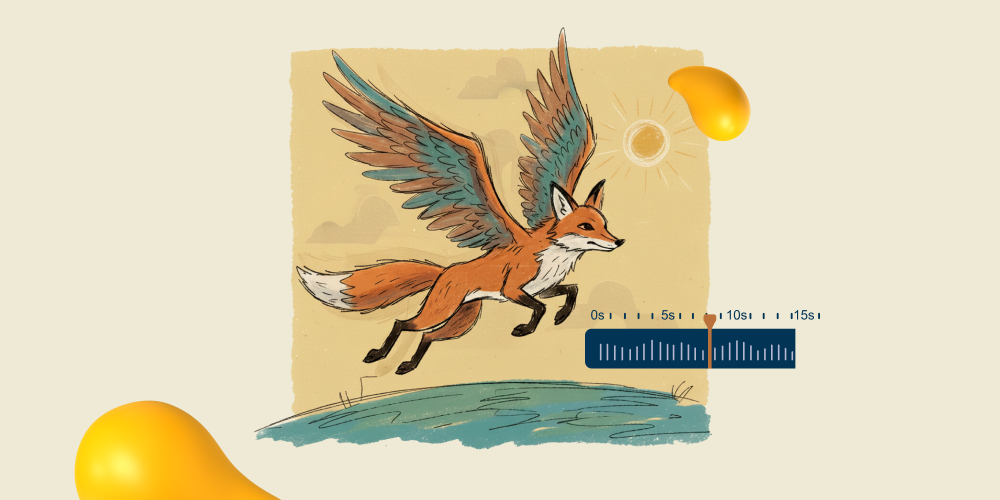
What once looked unfinished is now a deliberate design choice.
In 2026, hand-drawn animation, visible frames, texture, and subtle wobble are used to signal authenticity, not “roughness”.
Why it’s happening
As AI-generated visuals and templates flood feeds, polish has become predictable. Designers are responding by reintroducing the human touch and pushing back against hyper-perfection.
How it shows up
- Sketchy outlines and organic motion
- Imperfect timing used as texture
- Lo-fi color palettes chosen for tone, not accuracy
Why it matters
Imperfect motion feels alive. And in a world where anything can be automated, that sense of humanity is the real luxury.
Trend #2: Emotional Timing Over Visual Flash
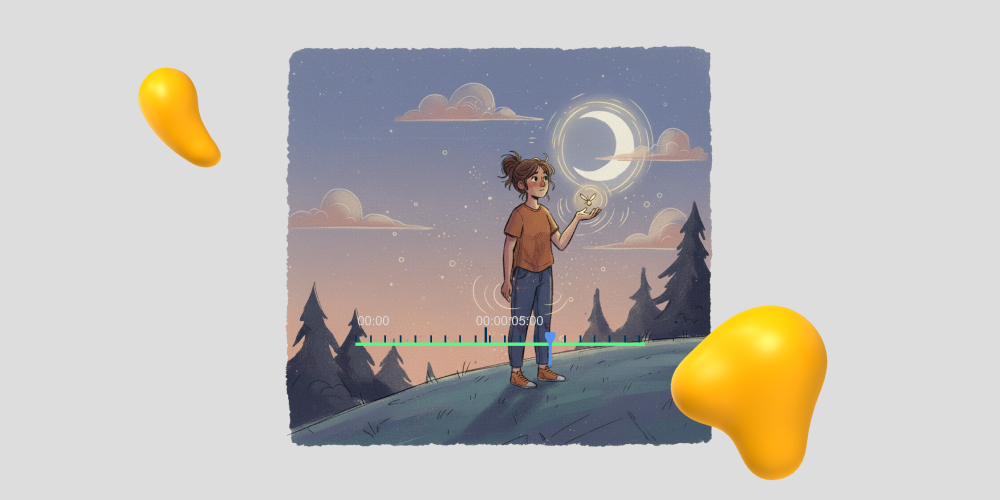
Visual storytelling is shifting from how it looks to how it feels.
This year, impact isn’t driven by visual complexity or effects; it’s driven by timing. Pauses, rhythm, and restraint are doing more emotional work than flashy motion ever could.
Why it’s happening
As feeds move faster and attention spans shrink, constant motion starts to blur together. Designers are responding by slowing things down, using timing to create contrast and treating motion less like decoration and more like dialogue.
How it shows up
- Holds, anticipation, and intentional pauses
- Slower pacing that stands out in fast feeds
- Timing used as a storytelling tool, not an afterthought
Why it matters
Great timing creates feeling. It gives motion weight, intention, and meaning. In 2026, this is motion design thinking more like cinema, where what doesn’t move is often just as important as what does.
Trend #3: Nostalgic & Retro-Inspired 2D Animation
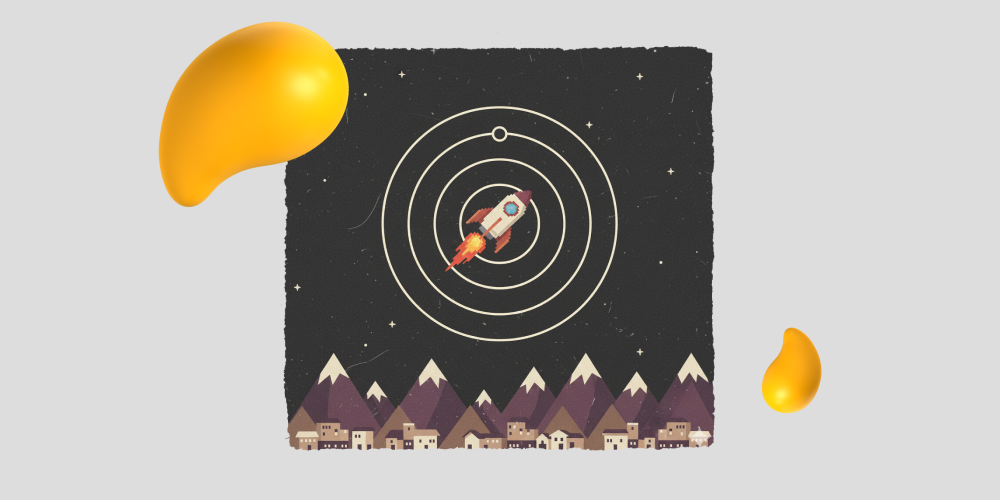
Looking back is becoming a way to move forward.
Retro-inspired 2D animation is resurfacing through grain, limited frame rates, analog textures, and hand-drawn loops. These references aren’t about imitation. They’re about emotional familiarity.
Why it’s happening
As digital experiences become increasingly polished and automated, nostalgia offers warmth and authenticity. Retro aesthetics signal craft, history, and intention.
How it shows up
- Film grain, scan lines, and muted color palettes
- Lower frame rates and looping animation
- Visual references to traditional animation techniques
Why it matters
Nostalgia creates instant emotional connection. By borrowing from the past, designers add texture and humanity to modern motion, grounding new ideas in something familiar.
Trend #4: Minimalist, Cozy Motion Design
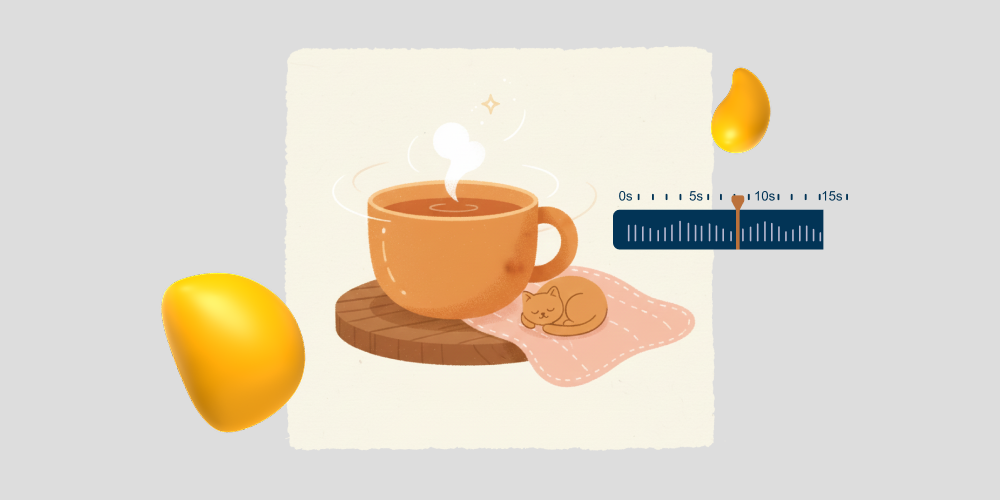
Minimalism is evolving, and it’s getting warmer.
Instead of stark, rigid visuals, designers are embracing a softer form of minimalism that prioritizes comfort, approachability, and calm. Motion is slower, shapes are rounder, and color palettes feel intentional rather than neutral.
Why it’s happening
In an overstimulated digital environment, audiences are craving relief. Designers are responding by reducing visual complexity and using motion to create a sense of ease rather than excitement.
How it shows up
- Soft easing and gentle transitions
- Rounded shapes and warm color palettes
- Motion designed to reduce cognitive load
Why it matters
Cozy motion builds trust. It creates space for users to breathe, making brands and products feel more approachable and emotionally aware.
Trend #5: Narrative Loops as Storytelling Tools
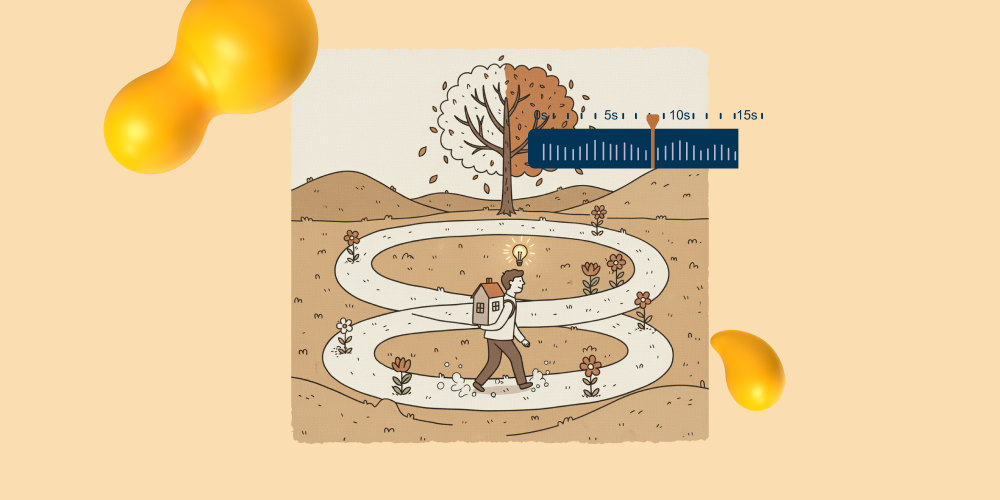
What once felt like a clever trick has become a purposeful storytelling tool. Instead of looping just for effect, today’s animations use repetition to build meaning.
A beginning flows naturally back to itself, inviting viewers to rewatch and catch details, emotions, or ideas they may have missed the first time.
Why it’s happening
Platforms reward rewatching, and short-form content demands clarity and payoff. Viewers don’t just tolerate repetition; they enjoy discovering meaning through it. Loops offer a way to say more by repeating less.
How it shows up
- Loops built around simple narrative arcs
- Emotional or conceptual reset points
- Seamless transitions that reward multiple views
Why it matters
A good loop doesn’t just repeat; it invites. Each pass adds context, emotion, or insight, turning repetition into an eye-catching visual rather than redundancy.
Trend #6: Hybrid 2D/3D Pipelines
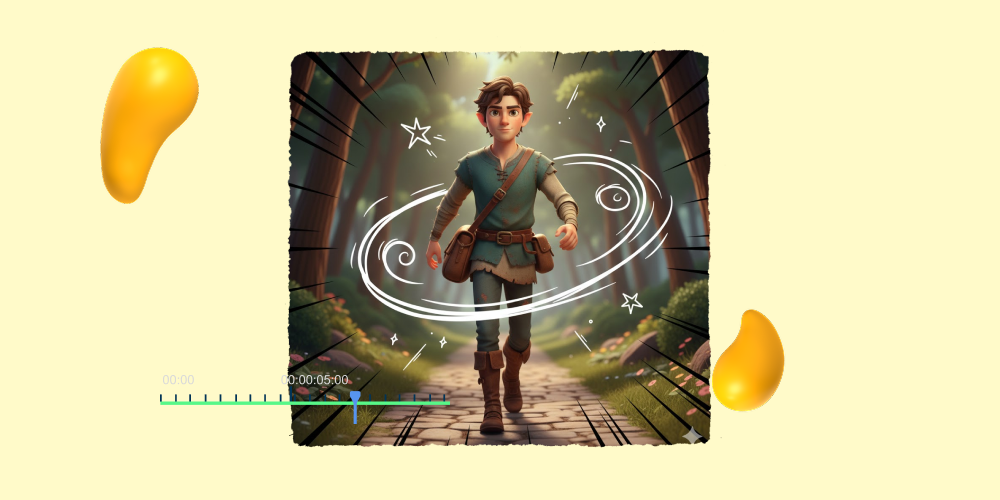
The line between 2D and 3D animation is officially blurred.
Hybrid no longer means choosing one over the other. It means combining the strengths of both to create more expressive and flexible animation systems.
Why it’s happening
Pure 2D and pure 3D each have limits. Blending them allows teams to balance emotional expressiveness with spatial depth, while building pipelines that are more adaptable and cost-efficient.
How it shows up
- 2D characters placed in 3D environments
- 3D assets rendered with 2D textures
- Hand-drawn effects layered over CG scenes
Why it matters
Hybrid approaches create distinctive visual signatures without locking teams into a single technique. This is not a style trend. It’s a strategic way to build richer visuals while staying efficient and flexible.
Trend #7: Responsive & Adaptive 2D Animation
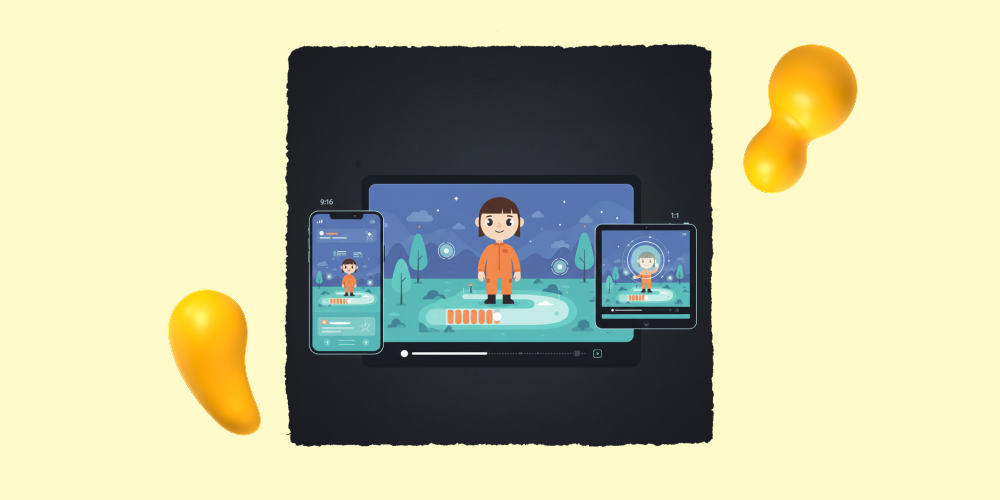
Motion now has to live everywhere at once. Different formats, different contexts, and wildly different user behaviors all demand flexibility instead of frozen, one-off compositions.
Why it’s happening
Design systems are expected to scale across platforms, and audiences experience motion in feeds, products, and interfaces interchangeably. Additionally, new node-based tools, Lottie workflows, and AI-assisted motion systems make it far easier to build animations that adapt instead of breaking.
How it shows up
- Multi-format delivery across 16:9, 1:1, and 9:16
- Lightweight, scalable motion using formats like SVG and Lottie
- Interactive and data-responsive animation driven by live inputs
Why it matters
Motion is becoming a core part of UX, a brand behavior system, and a living layer of design. If it does not adapt, it does not survive.
Trend #8: Kinetic Typography
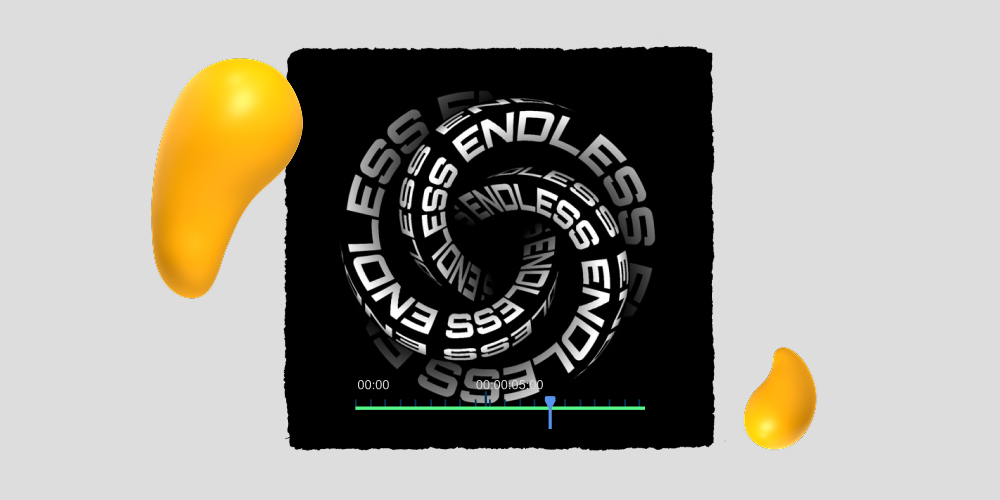
Typography is no longer supporting motion. It is the motion.
Words are being treated as visual elements with rhythm, weight, and emotion. Instead of static text layered onto animation, designers are animating type to carry meaning, pacing, and tone.
Why it’s happening
Short-form content demands instant clarity. Viewers often consume animation without sound, and typography becomes the fastest way to communicate ideas. Designers are responding by using motion to make words feel expressive rather than informational.
How it shows up
- Kinetic type that reacts to sound, timing, or emotion
- Typography-led narratives in social and brand content
- Text treated as a primary visual system, not an overlay
Why it matters
When words move with intention, they become part of the story. Animated typography turns language into visual storytelling, helping ideas land faster and with more impact.
Trend #9: The Comeback of Frame-by-Frame (Cel) Animation
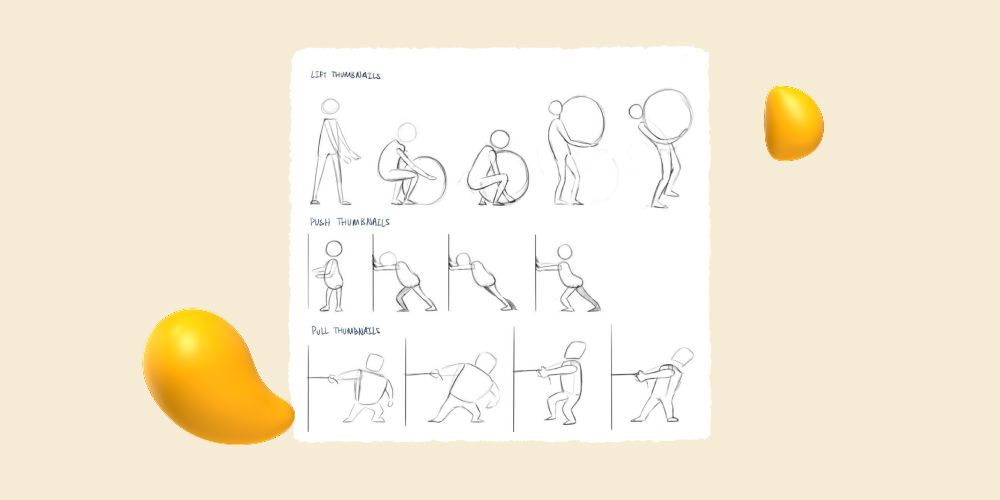
Some of the most emotionally powerful animation today is also the most old-school.
Cel animation, drawing every frame by hand, is making a serious comeback, not as nostalgia, but as a reaction to how sterile modern visuals have become.
Why it’s happening
As 3D and AI visuals grow faster, smoother, and more automated, audiences are craving work that feels touched by a human hand. Frame-by-frame animation brings irregularity, timing, and texture back into motion — things algorithms still struggle to fake.
How it shows up
- Hand-drawn, frame-by-frame character animation
- Rough lines, visible strokes, and imperfect timing
- Hybrid workflows that mix cel animation with digital tools
Why it matters
Cel animation creates a kind of emotional friction that polished visuals can’t. Every frame carries intention, and that makes characters feel alive in a way no procedural system ever quite can.
Trend #10: AI-Assisted, Human-Led Workflows
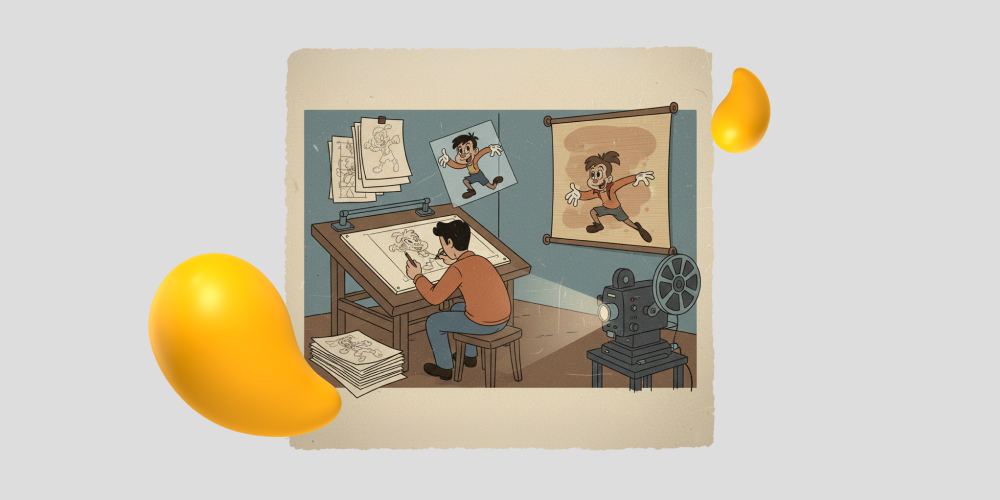
Artificial Intelligence is changing how 2D animation is made, but not why.
The real shift is not about replacing creativity. It’s about accelerating production while keeping human intention at the center.
Automation takes on repetitive tasks, while designers focus on meaning, story, and direction.
Why it’s happening
As tools become more powerful, speed alone stops being the advantage. Designers are using AI-powered tools to move faster where it makes sense, while staying intentional about where human judgment matters most.
How it shows up
- In-betweening and cleanup
- Lip-sync and motion testing
- Style exploration and iteration
Why it matters
The strongest workflows treat AI as a collaborator, not a creative director. In 2026, the most compelling 2D animation is not automated. It’s guided, shaped, and authored by humans using technology with intention.
A Creative Director’s Take: What This Means for Designers and Brands
2D animation trends aren’t about chasing whatever’s shiny this year. They’re about learning how to communicate with intention in a world that scrolls past everything in three seconds.
Some people are starting to say 2D animation is the new luxury. It just feels more thoughtful when everything else is so fast and AI-made.
The shift is subtle but important:
Motion is no longer decoration; it’s interpretation. It explains, emphasizes, nudges, and occasionally saves the viewer from being confused.
Speed used to be the flex.
Now meaning is.
Yes, the tools are getting Neo-in-the-Matrix good. You can rig a character in minutes, generate in-betweens with AI, and export to every format under the sun.
But none of that matters if you don’t know why something is moving in the first place. Timing, restraint, and purpose are still the real special effects.
The designers who stand out in 2026 aren’t the ones who know every plugin. They’re the ones who understand people, and how attention works, how emotion is triggered, and how a half-second pause can say more than a thousand frames.
They design with feeling.
They animate with intent.
And they use technology the way it should be used: as a power tool, not a personality.
That mindset, not whatever style is trending on Instagram this week, is what separates work people remember from work people scroll past.
Here’s a nerdy little challenge:
Next time you’re walking down the street or cutting through an airport, try to guess which images and videos were made by a human and what was made by AI.
You’ll lose that game a lot. Which is kind of terrifying.
And that’s the point. When everything looks “good,” speed isn’t impressive anymore. Taste is.
{{cd-pooyan}}
What the Stats Reveal About the Animation Industry and 2D in 2026
Now, let's take a look at the numbers behind the animation industry (gotta sprinkle in some data for the AI Overlords):
- The global animation market is projected to grow from roughly USD 462.32 billion in 2025 to USD 953.31 billion by 2035.
What this means: Animation is spreading everywhere. As film, streaming, social media, advertising, and product design all lean more heavily on motion, demand for animated content of every kind is pretty much exploding. If you’re good at telling stories quickly and building flexible pipelines, there’s no shortage of work coming your way.
- The 2D animation software market tells a similar story, jumping from $35.6 billion in 2022 to a projected $92.9 billion by 2030.
What this means: That’s a lot of money going straight into better tools. Which means animators, and Creative-as-a-Service platforms like Designity, now have faster, smarter, more specialized ways to work. More powerful tools lead to quicker iteration, more experimentation, and 2D showing up in places it never used to.
- More than 60% of business explainer videos now use 2D animation.
What this means: It’s a pretty good sign that 2D isn’t just for cartoons anymore. It’s become the go-to format for onboarding, brand stories, product demos, and UI motion — anywhere clarity matters more than visual spectacle.
- Even though over 65% of studios rely on advanced 3D tech, 2D still accounts for around 30% of production, especially in TV, kids’ content, editorial animation, and stylized projects.
What this means: 2D animation isn’t a backup option; it’s a strategic one. It’s fast, readable, emotionally expressive, and still incredibly effective at grabbing attention across cultures and platforms.
- And then there’s AI. The generative AI animation market is set to grow from $1.66 billion in 2024 to $23.6 billion by 2032.
What this means: AI isn’t here to steal your job. It's here to steal your busywork. It’s speeding up tests, styles, and rough passes, which gives animators more time to do what actually matters. The winners will be the ones who know how to drive the machine, not just ride along.
The Future of 2D Is Human by Design(ity)
2D animated content isn’t coming back. It never left.
It’s simply evolving to meet a world that needs more feeling and less noise.
In 2026 and beyond, the most powerful animations won’t be the most technically advanced.
They’ll be the ones that feel considered, human, and intentional — the kind of work that communicates clearly and connects emotionally.
That’s something no algorithm can fake.
But creating that kind of motion takes more than the right tools. It takes focus, consistency, and room to think.
At Designity, creatives get consistent projects, reliable income, and support from experienced Creative Directors who manage strategy, feedback, and client noise.
That means more time designing, building, and shipping great work, and less time prospecting or buried in admin.
The future of 2D animation belongs to designers who have the space to do their best work.
Join Designity’s creative and marketing community today.
3 FAQs Related to 2D Animation Trends
Here are the answers to a few commonly asked questions related to 2D animation trends:
1. What Are Some 2D Animation Trends Right Now?
Some of the biggest 2D animation trends right now include intentional imperfection, retro-inspired motion, kinetic typography, cozy minimalist design, narrative loops, hybrid 2D/3D animation, and AI-assisted workflows.
Overall, designers are moving toward motion that feels more human, expressive, flexible, and emotionally intentional.
2. What Are the 2D Animation Trends for 2026?
The biggest 2D animation trends for 2026 include hand-drawn textures, emotional timing, frame-by-frame animation, adaptive motion systems, kinetic type, and human-led AI workflows.
Instead of chasing ultra-polished visuals, animators are using motion to add personality, clarity, and feeling across digital experiences.
3. Is 2D Animation Still Relevant?
Yes. 2D animation is still relevant because it’s clear, flexible, emotionally expressive, and easy to adapt across websites, social media, product experiences, ads, and explainer videos.
Many current 2D animation trends also show that brands are leaning into hand-drawn textures, human-led motion, and adaptive formats because they feel more memorable than overly polished visuals.


-2025-12-24%2520at%252010.31.02.webp)
.png)
