




Every designer has their go-to sources for logo inspiration: mood boards, trend reports, and endless scrolling through Pinterest or Behance.
But after a while, it all starts to blend together. The same styles, the same colors, the same ideas on repeat.
The truth is, great logo inspiration often begins off-screen.
Some of the strongest ideas come from everyday moments, like flipping through an old magazine, wandering a flea market, or noticing the geometry of a city skyline.
Branding inspiration isn’t always about looking harder, sometimes it’s about looking elsewhere.
Here are 10 unusual places where designers can find logo inspiration hiding in plain sight.
10 Off-Screen Sources of Strong Logo Inspiration
Great logo inspiration begins with observation, and paying attention to the places and details most people overlook:
1. Antique Shops & Flea Markets

Antique shops and flea markets are design goldmines filled with old packaging, matchbooks, signage, and typefaces.
Lettering styles and color palettes that have stood the test of time often live here, alongside hand-drawn imperfections that feel expressive and human.
These spaces remind designers how branding once relied on craftsmanship, texture, and a tangible human touch rather than digital polish.
Designer Cue: Sketch one imperfect letterform that catches your eye.
2. Street Art & Graffiti Walls
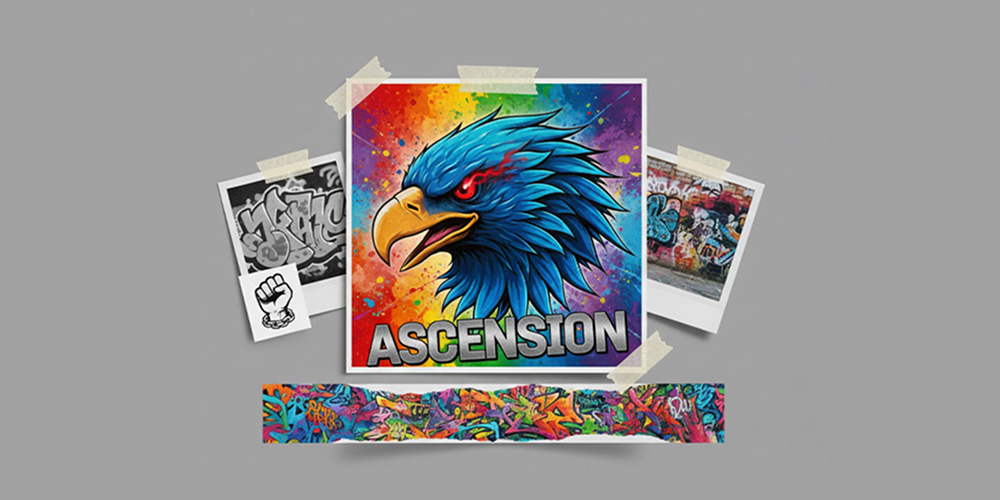
Street art doesn’t ask for permission, and that’s what makes it powerful.
Murals and graffiti use color, scale, and contrast to communicate quickly and emotionally, often rooted in cultural or social context.
That raw honesty is something many brands struggle to achieve.
Documenting street art isn’t just visual collecting; it’s studying how bold expression and storytelling shape logos that feel alive.
Designer Cue: Photograph one mural and identify its strongest visual hook.
3. Children’s Books & Toys

Children’s design works because it has to.
Shapes, characters, and colors must communicate instantly, without explanation.
Exaggerated proportions and playful forms aren’t accidental; they’re tools for emotional connection.
Many innovative logo design systems borrow this clarity, proving that simplicity is often the most effective way to create something memorable and human.
Designer Cue: Reduce a logo idea to its most playful, childlike form.
4. Nature & the Outdoors
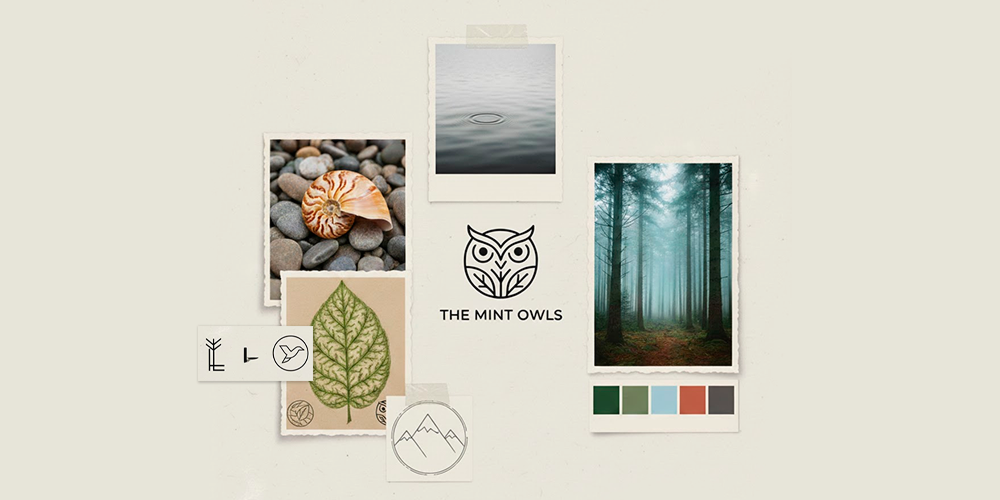
Nature shows what happens when form follows function.
Leaves, shells, and landscapes are shaped by purpose, resulting in balance and structure that feel effortless but intentional.
Natural color palettes feel authentic because they already exist in harmony.
Time outdoors creates mental space, helping designers observe, sketch, and translate timeless patterns into grounded logo samples.
Designer Cue: Sketch one natural pattern instead of opening a reference site.
5. Architecture & City Structures
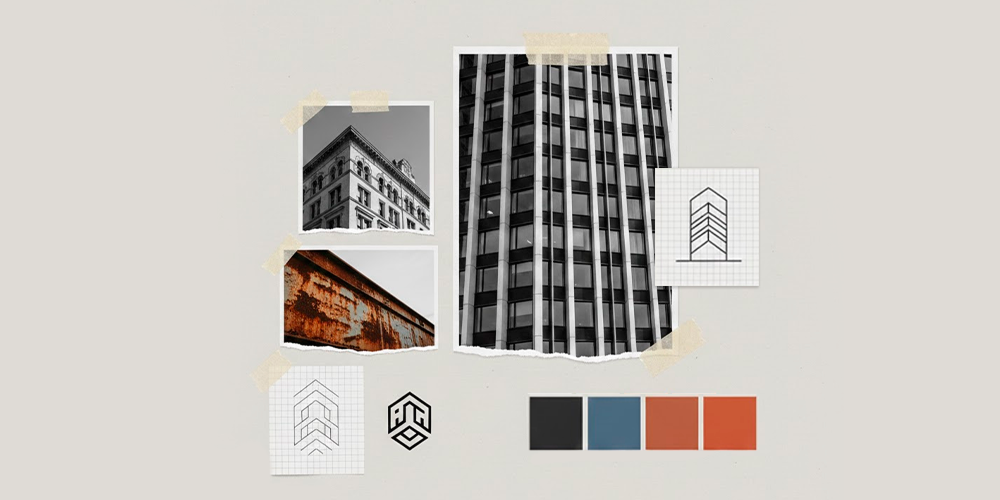
Architecture is design you can walk through.
Buildings demonstrate proportion, repetition, and negative space in real-world form.
Observing how light interacts with materials or how patterns repeat across facades can spark new minimalist logo ideas.
Modern structures often inspire restraint, while historic buildings suggest symbolism and ornament.
Designer Cue: Abstract one architectural detail into a simple mark.
6. Music & Album Art

Music conveys emotion, and album art gives that emotion a visual language through typography, color, and texture.
Rhythm and tempo influence how design feels: dynamic, calm, or grounded.
Designing while listening to music helps align mood and visual expression more intuitively, leading to logos that feel emotionally driven rather than decorative.
Designer Cue: Design one concept while listening to a single song on repeat.
7. Cultural Festivals & Street Markets
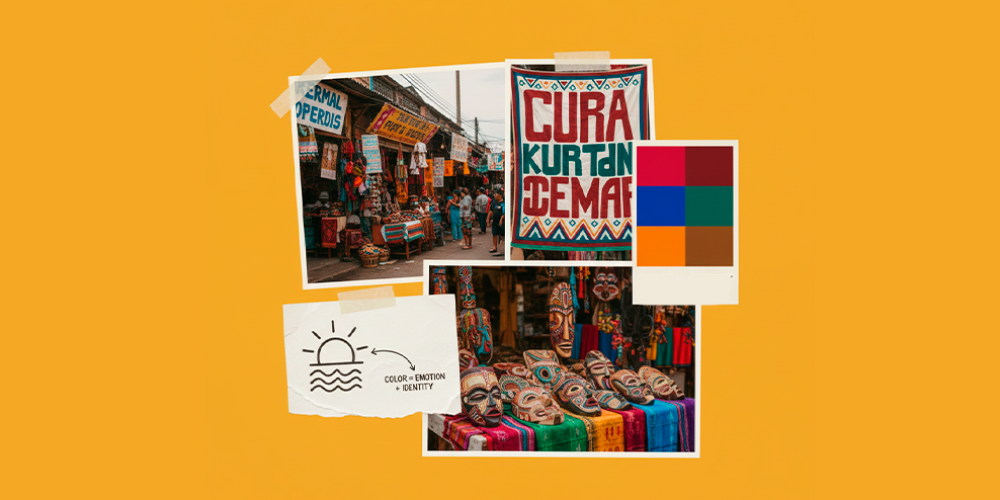
Cultural festivals and street markets are rich with visual energy.
Handmade signs, layered patterns, and bold color choices reflect deep storytelling through design.
Cultural symbolism and material choices show how meaning is communicated without polish.
Observing artisans at work offers insight into authenticity brands increasingly seek.
Designer Cue: Note how color is used to communicate emotion or identity.
8. Old Magazines & Newspapers

Vintage print captures a time when designers worked within limitations and made bold creative choices because of them.
Expressive headlines, experimental layouts, and distinctive typefaces reveal confident problem-solving.
When reinterpreted thoughtfully, these elements inspire logos that feel timeless, layered, and intentional rather than trend-driven.
Designer Cue: Rework a vintage headline into a modern logo idea.
9. Everyday Objects
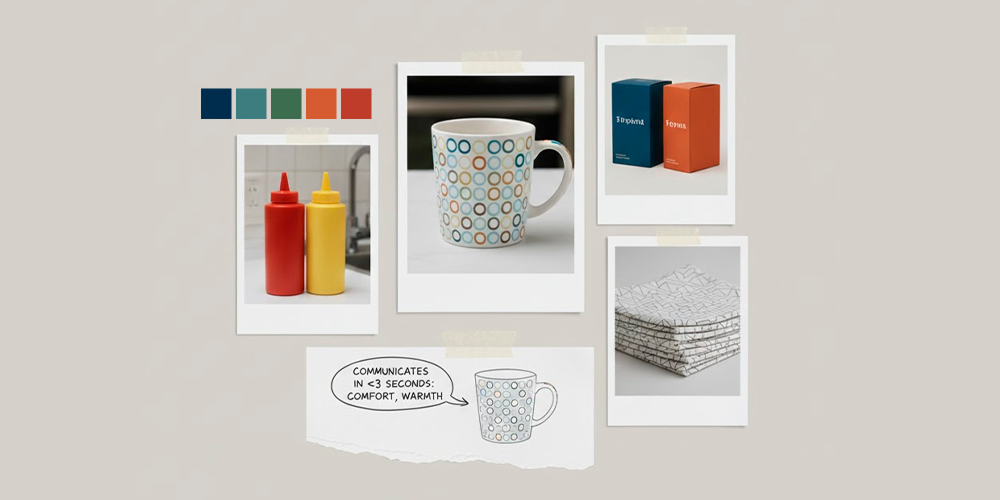
Design hides in plain sight.
Packaging, mugs, and household items rely on color, shape, and proportion to communicate quickly.
Training yourself to notice these details builds visual intuition and reinforces that inspiration doesn’t require special tools or travel — just attention and curiosity.
Designer Cue: Ask what an object communicates in three seconds or less.
10. Dreams & Doodles

The subconscious sometimes holds the best logo ideas that structured design sessions often miss.
Half-awake thoughts and casual doodles surface instinctive shapes and concepts without pressure.
Doodling freely reconnects designers with curiosity and play, where many memorable logos begin before logic steps in.
Designer Cue: Doodle freely for five minutes without a brief.
Designity: Where Logo Inspiration Meets Real Opportunity
Inspiration doesn’t always come from staring at a screen or scrolling for the next idea.
More often, it lives in everyday moments — if you’re paying attention.
Great logo design comes from curiosity, observation, and staying connected to the real world, not chasing trends or sameness online.
But turning inspiration into strong, consistent brand work also takes structure and support.
That’s where Designity fits in.
With steady projects, clear creative direction, and experienced Creative Directors managing scope and feedback, designers get the space to focus on what matters most: creating thoughtful, impactful work.
Ready to put your inspiration to work?
Join Designity’s creative and marketing community today.
Keep Exploring:
- Get 7 expert tips for refreshing your logo without losing what makes it recognizable.
- Learn how thoughtful color combinations strengthen brand identity and meaning.