



.webp)
Graphic design sounds simple.
Then your campaign needs ads, landing pages, packaging, social graphics, and sales decks.
All yesterday. Obviously.
That’s when most marketing teams hit the same problem:
One designer rarely covers every design need your brand has.
And juggling freelancers can turn simple projects into full-time project management. Let's not even get started on agencies.
So, let’s break down the 10 types of graphic design worth knowing. You’ll see what each one does, why it matters, and when to use it.
Then, we’ll show you the easier way to get 100+ creative and marketing services under one roof (and one flexible monthly plan).
10 Types of Graphic Design Your Marketing Team Needs (YESTERDAY)
Here are the 10 types of graphic design that help brands look sharper, sell smarter, and show up everywhere:
1. Branding and Logo Design
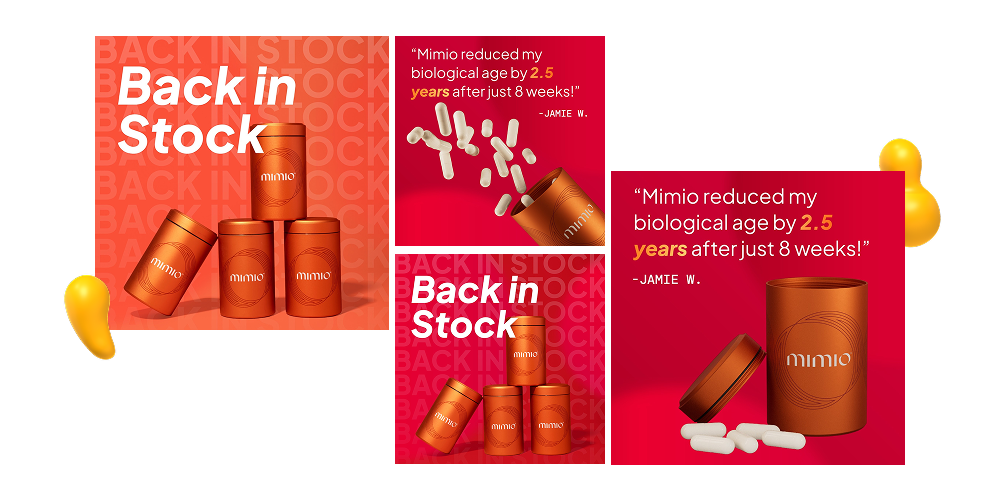
Need a unique and memorable visual identity for your brand?
You’re not the only one.
From shop signs in Ancient Greece to Medieval family crests, humankind has been using symbols and images to proudly showcase their services, family groups, and individuality to everyone around them.
Nowadays, graphic designers specializing in branding and logo design can give your modern brand the same thing, with the flair it needs to set it apart in a competitive industry.
Whether it’s corporate branding, T-shirt designs,, or product packaging, branding and logo designers help create a memorable visual identity for your brand.
They also keep your brand consistent across your website, social media pages, digital ads, branded merchandise, and more.
Main Focus of Branding and Logo Design: Color schemes, typography, logos, and other visual elements.
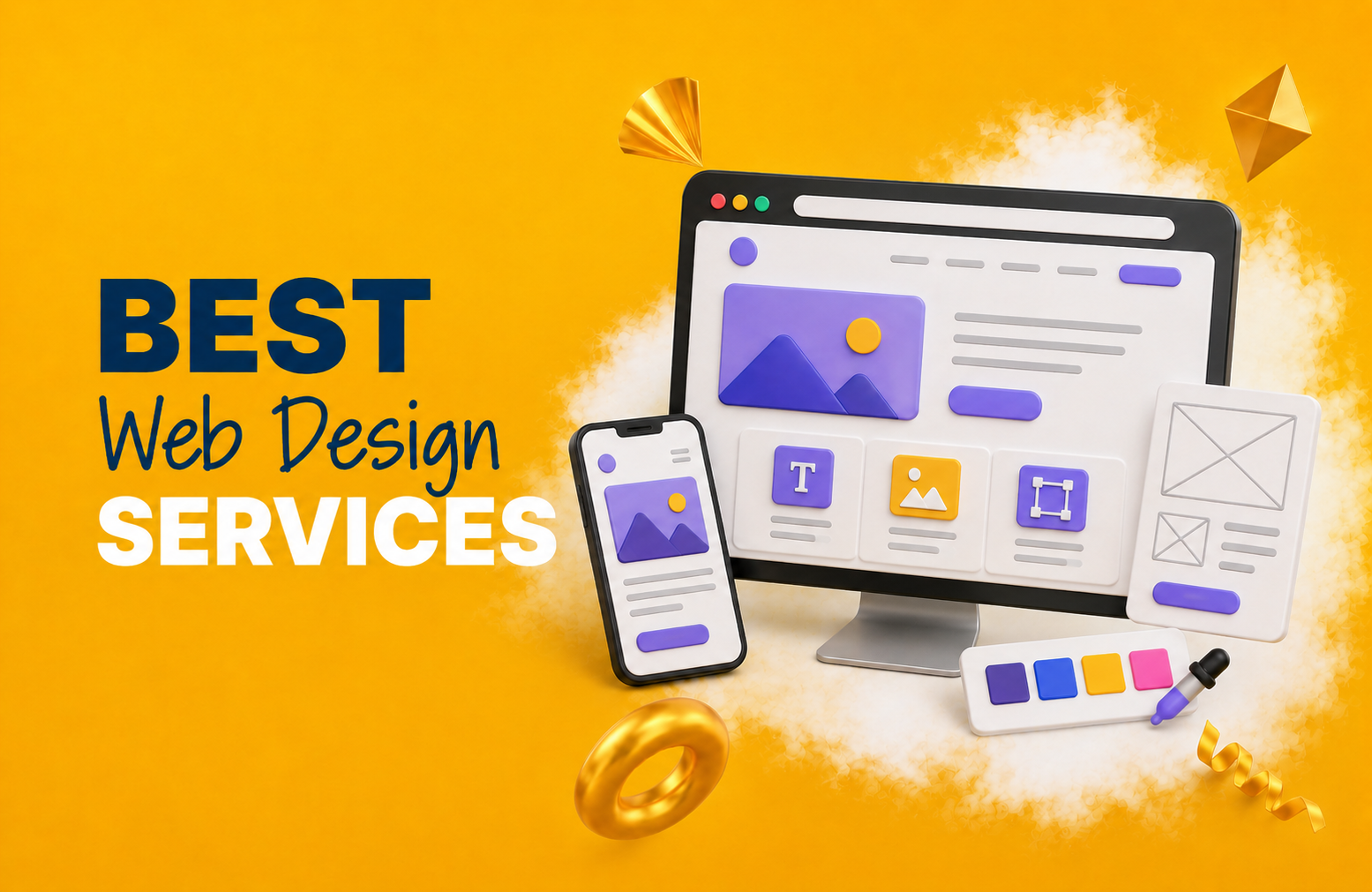
2. Web Design
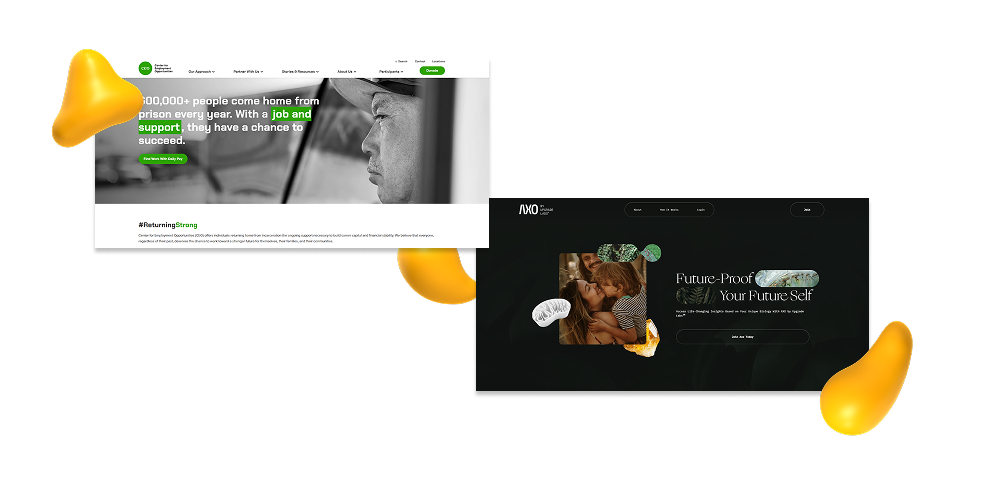
A strong online presence is absolutely essential for business success in this digital age.
Your website should be your digital storefront, the hub where your customers, employees, and shareholders can access whatever information they need about your products and brand.
For this reason, you need a dedicated web designer to create a responsive design for your visitors that ensures optimal viewing across whatever device they decide to access your site on. `
Whether it’s the ideal layout, color scheme, visuals, interactive features, and more, web designers can make your website truly stand out from the rest.
Main Focus of Web Design: User-friendly and visually appealing websites, responsive designs, UX/UI principles, and interactive elements.
3. Print Design
Since the invention of the printing press in 1440, print design has evolved into a dynamic and influential field. It has the power to shape how information is presented and consumed by your customers.
Today’s print designers continue that legacy by translating ideas into visual works of art on paper, plastic, and other branded merchandise.
A good print designer pays careful attention to details like typography, color choices, and imagery to ensure that your print materials look professional and also communicate your brand message the way you want them to.
Main Focus of Print Design: Creating print-ready files for essential marketing collateral like business cards, brochures, posters, and other physical material.
4. UI/UX Design
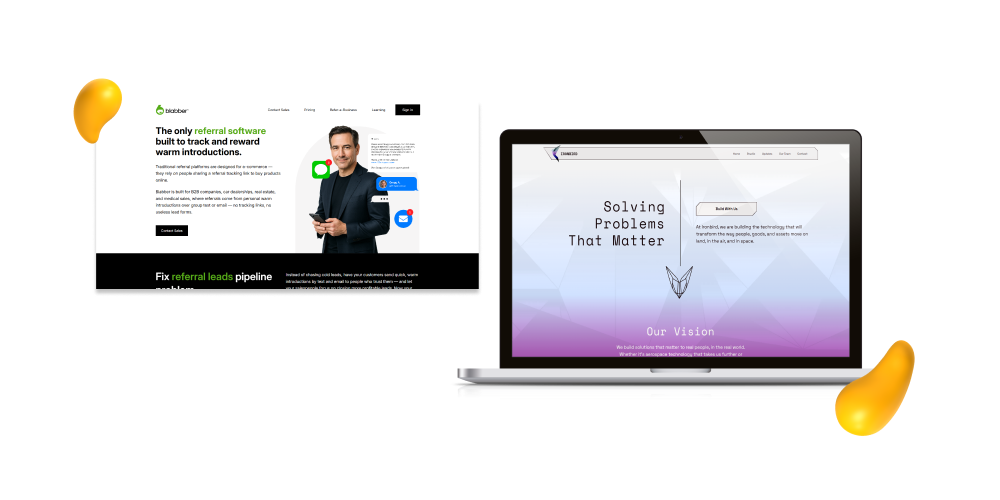
If you remember the eye-assaulting UI design of the first websites of the 1990s, then you know the importance of good UI/UX design.
From your website to your brand's mobile apps, having a seamless, attractive, and visually engaging platform is essential for creating a positive user experience.
That’s where UI designers come in. They work hard to enhance the usability, accessibility, and overall satisfaction of your platforms by carefully placing visual elements and interactive features.
Navigation menus, nice-looking CTAs, drop-down menus, and more, UI designers do everything they can to ensure a smooth and enjoyable experience for your users.
Main Focus of UI/UX Design: User interactions, visual elements, usability, and creating an intuitive and responsive digital experience.
5. Illustration and Icon Design
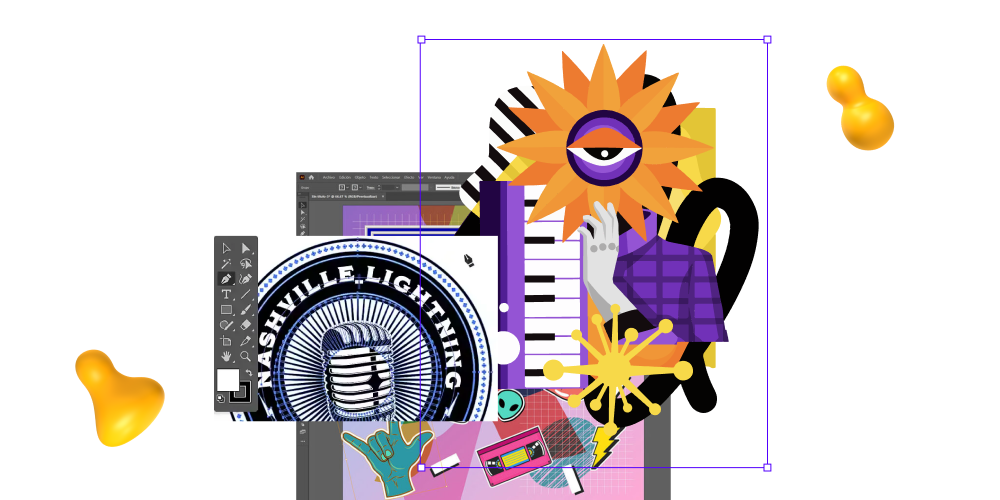
Since the dawn of mankind, illustrations and pictures have been used as a tool for visual storytelling.
From the Palaeolithic cave paintings of Lascaux to the intricate manuscripts of the Dark Ages to the colorful graffiti of Banksy, illustrations have been part of human expression.
That legacy continues even in the illustrations we use for our marketing purposes today.
Graphic designers use their illustration skills and digital tools to channel their creativity into compelling visuals for your brand.
Whether it’s editorial illustrations that break down complex ideas into easy-to-digest pictures, custom icons for your marketing collateral, or character design that brings fictional worlds to life, a good illustrator can do wonders for your visual identity and branding.
Main Focus of Illustration and Icon Design: Visual storytelling, conveying messages through images, and enhancing the messaging of your marketing campaign.
6. Presentation and Publication Design
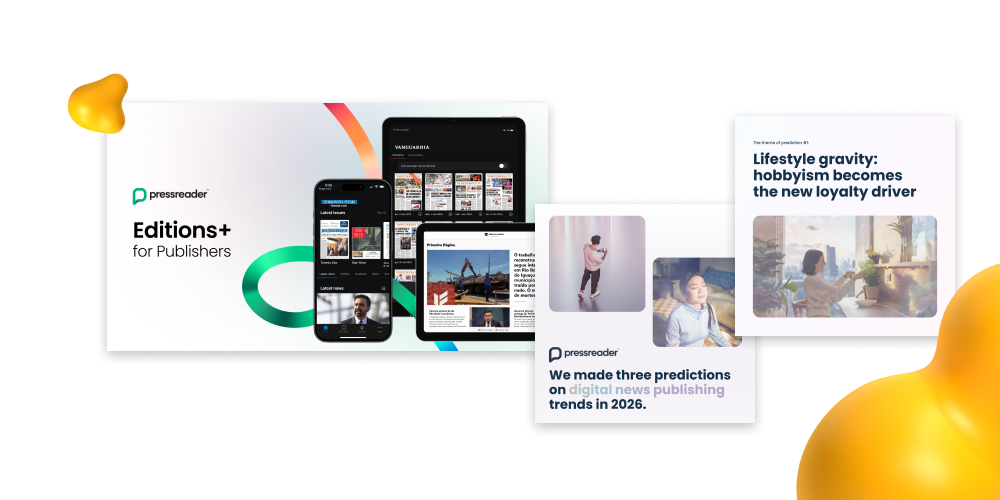
When you need to present information in an attractive and easy-to-read way, a presentation and publication designer can use their skills to communicate your messaging in an interesting way that effortlessly holds your audience’s attention.
A far cry from the printing presses of yesterday with their movable types, presentation and publication design has evolved into a sophisticated art form, as seen in book layouts, magazines, slide shows, and other digital publications.
A good publication designer uses their skills and eye for design to create visually compelling layouts, carefully selecting the fonts, colors, and imagery that not only captivate the audience but are designed to optimize readability and the overall impact of your content.
Book covers, magazine spreads, website layouts, slide decks, and more — presentation and publication designers do it all to ensure that important information about your products and brand is presented correctly.
Main Focus of Presentation and Publication Design: Layout design, typography, visual hierarchy, and creating aesthetically pleasing presentations and publications for both print and digital platforms.
7. Ad Design
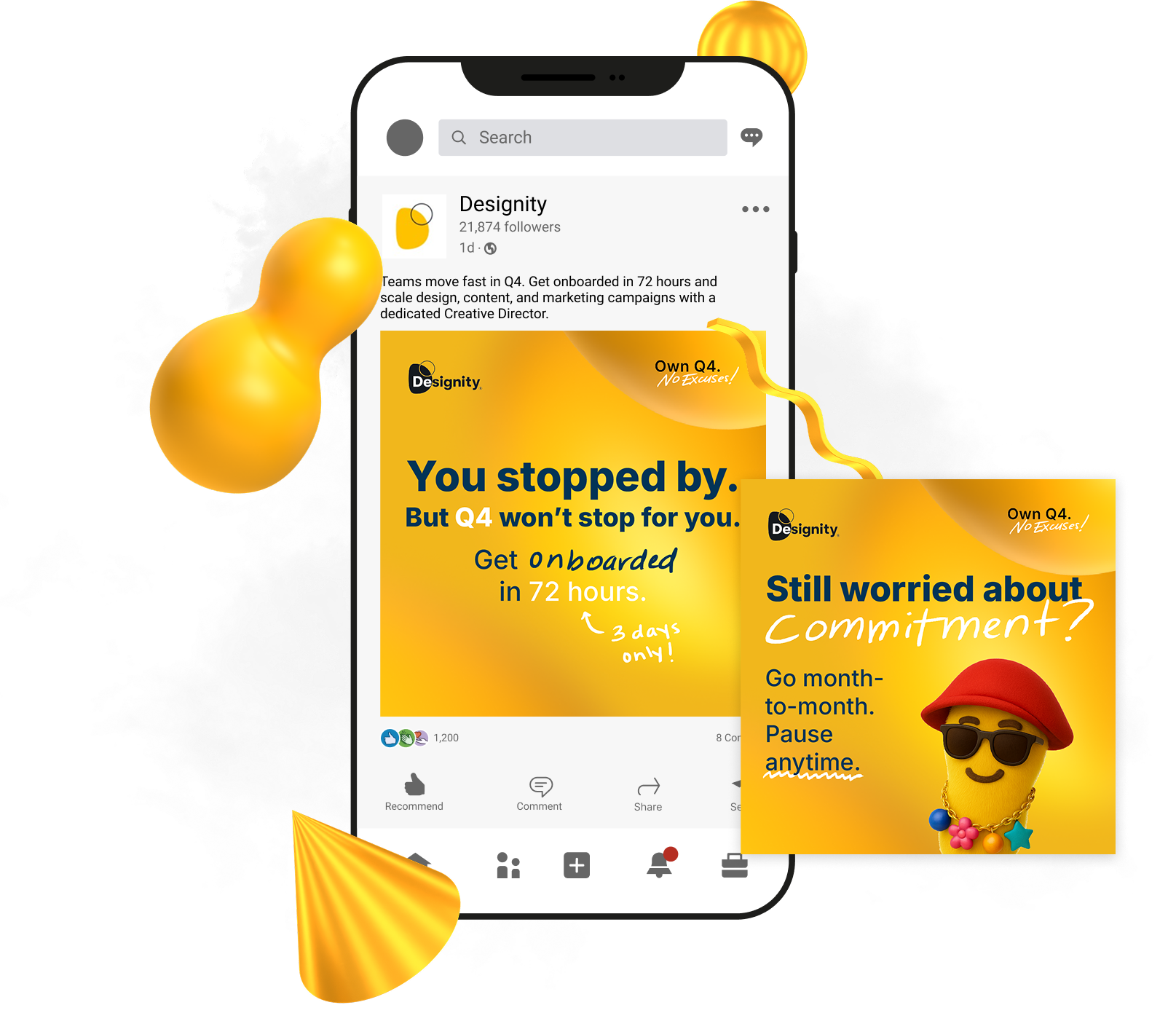
You can’t sell your products and services without first getting your audience’s attention.
Luckily, asset designers are experts at grabbing attention.
Whether it’s printed ads in a magazine, digital banners, or paid social media ads, a good ad designer blends their talents, creativity, and marketing expertise to both capture attention and instantly convey your messaging.
Ad designers have a keen eye for layout, color psychology, and impactful graphics and imagery.
They use this skill to create images that resonate with your target audience and get them to stop and consider your brand's offerings.
Main Focus of Ad Design: Visual impact, storytelling, and adapting graphics to different print or media platforms.
{{marketing-switch}}
8. Environmental Graphic Design
Environmental Graphic Design is the art of using visual elements like signage to enhance a physical environment.
Think wayfinding signs you’d see on the walls and floors in large buildings like hospitals and malls (think back as hard as you can), interactive installations like touchscreens, and themed environments that align with your brand’s visual identity.
Environmental graphic designers must consider architecture, interior design, and branding to develop their graphics seamlessly into physical spaces to assist visitors, guide people through spaces, and convey a brand’s identity in a memorable way.
Main Focus of Environmental Graphic Design: Physical space enhancement, wayfinding systems, and integration of graphics with existing architecture and interior design.
9. Packaging Design
First impressions matter!
If you want your products to turn heads on the shelves, they must have top-tier packaging design!
A professional packaging designer knows how to use your visual elements and your existing branding to create an appealing package for your products.
This carefully protects them from damage but also looks great, differentiates your brand, and influences your customer’s purchasing decisions.
Engaging packaging is more than just looks, after all.
With the right designer on your team, your packaging can tell a story, connect people with your brand, and establish recognition and trust!
Main Focus of Packaging Design: Creating attractive and functional packaging and product labels, grabbing attention with color and image choices, influencing purchasing decisions, and reflecting a positive brand identity.
10. NFT Design
As more brands jump into Web3, they’re finding new ways to connect with audiences through blockchain technology.
NFTs (Non-Fungible Token) have emerged in recent years as a groundbreaking form of artistic expression and ownership, and brands worldwide are using them to their advantage.
A good NFT designer uses their artistic skills to produce visually stunning and exclusive digital content for your brand, ranging from digital illustrations and animations to virtual real estate and interactive experiences.
These digital assets make incredible marketing tools, allowing brands to connect with their audience on a whole new level.
Whether it’s launching a limited-edition NFT collection tied to a product release or using NFTs as part of loyalty programs, they remain an innovative approach to any marketing campaign!
Main Focus of NFT Design: Incorporating NFTs into marketing campaigns, creating exclusive digital assets, and using blockchain technology to tokenize each creation.
10 Must-Know Benefits of High-Quality Graphic Design
Good graphic design offers a multitude of benefits for individuals, businesses, and brands.
Here are some advantages that a good designer can bring to your marketing efforts:
- First Impressions: Effective graphic design creates a positive and memorable first impression, enhancing your brand's perceived professionalism and credibility.
- Brand Identity: Graphic design elements are pivotal in establishing and reinforcing your brand identity. Consistent visual elements build recognition and trust among the audience.
- Communication: Visual elements convey messages faster and more effectively than text alone. Well-designed graphics help communicate complex information in an easily digestible manner.
- User Engagement: Eye-catching design captivates the audience and encourages them to engage with the content. This is crucial in today's fast-paced world where attention spans are limited and distractions are everywhere.
- Marketing and Advertising : Graphic design is a cornerstone of marketing and advertising efforts. Compelling visuals attract attention, convey messages, and drive marketing success.
- Differentiation: Good graphic design sets a brand apart in a competitive market. Unique and memorable visuals help a brand stand out and be remembered by consumers.
- Consistency: Design consistency across various platforms and materials strengthens brand recognition. Consistency is key to building a strong and cohesive brand image.
- Trust Building: Professional and aesthetically pleasing design builds trust. Consumers are more likely to trust a brand that invests in high-quality design.
- Versatility: Good graphic design is versatile and can be adapted for various mediums, from digital platforms to print materials, ensuring a cohesive and adaptable brand presence.
- Increased Sales: A Visually appealing design attracts customers and can positively influence purchasing decisions, increasing sales and revenue.
Need those design benefits without hiring every designer?
Watch how Designity's design as a service model helps brands access vetted creatives, Creative Director support, and high-quality work without relying on full-time hires, freelancers, or agencies.
The Easiest Way to Get On-Demand Graphic Design Services
Needing multiple types of graphic design is normal. Managing five different designers for them is not.
Whether you need branding, web design, packaging, ad creatives, sales decks, social graphics, or campaign assets, finding the right mix of talent can quickly become expensive and messy.
Fortunately, with Designity, you can get a full-stack, Creative Director-led team that covers every graphic design need your brand has.
With Designity, you get:
- Dedicated Creative Directors to guide strategy and protect brand consistency
- Creative Project Managers to handle timelines, feedback, and approvals
- Top 1% global creatives across branding, web, motion, graphic design, and more
- Access to 100+ creative and marketing services under one roof
- Flexible month-to-month plans
- A 2-week trial with no upfront payment
So instead of chasing freelancers or hiring for every skill gap, you get a fully managed creative team that feels like an extension of your in-house team.
Book a demo to unlock your 2-week trial and test drive Designity's graphic design services for your next campaign.
3 FAQs Related to Types of Graphic Design
Here are the answers to any remaining questions you may have related to graphic design:
1. What Are the Main Types of Graphic Design Ever Brand Needs?
The main types of graphic design include branding and logo design, web design, print design, UI/UX design, illustration, presentation design, ad design, environmental design, packaging design, and NFT design.
Most marketing teams need a mix of these skills to support campaigns, websites, sales materials, product launches, and brand consistency.
2. How Do I Know What Type of Graphic Designer My Brand Needs?
Start with the project goal.
If you need a stronger identity, hire a branding designer. If you need better website performance, look for web or UI/UX design support.
For campaigns, you may need ad design, social graphics, landing pages, and presentation design. The right designer depends on the asset, channel, audience, and business goal.
3. What Is the Easiest Way to Get Different Types of Graphic Design Services?
The easiest way is to work with a full-stack creative partner like Designity.
Instead of hiring separate designers for branding, web, ads, packaging, and sales decks, you get access to 100+ creative and marketing services under one monthly plan, led by a dedicated Creative Director.