




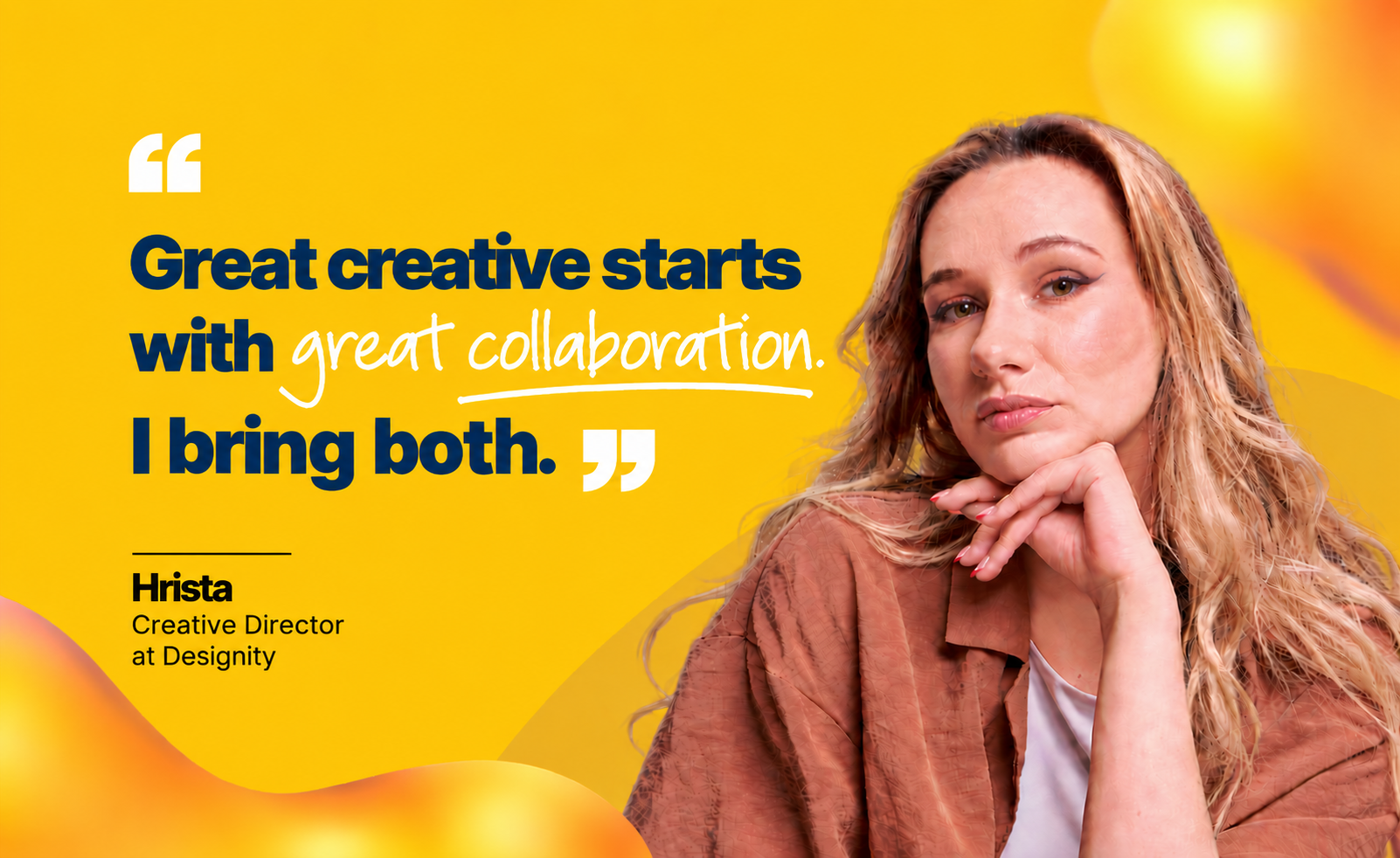
What can a Creative Director do for your brand six months in that they couldn’t do on day one?
For Designity Creative Director Hrista Georgieva Tomova, it comes down to knowing how the brand behaves.
Over time, she learns what the client and their audience respond to, where the boundaries are, and when the team can push them.
Below, Hrista shares what builds that kind of client relationship, what she wants from a first brief, and how her team helped OpenVPN give an established brand a more contemporary look.
Meet Creative Director Hrista Tomova
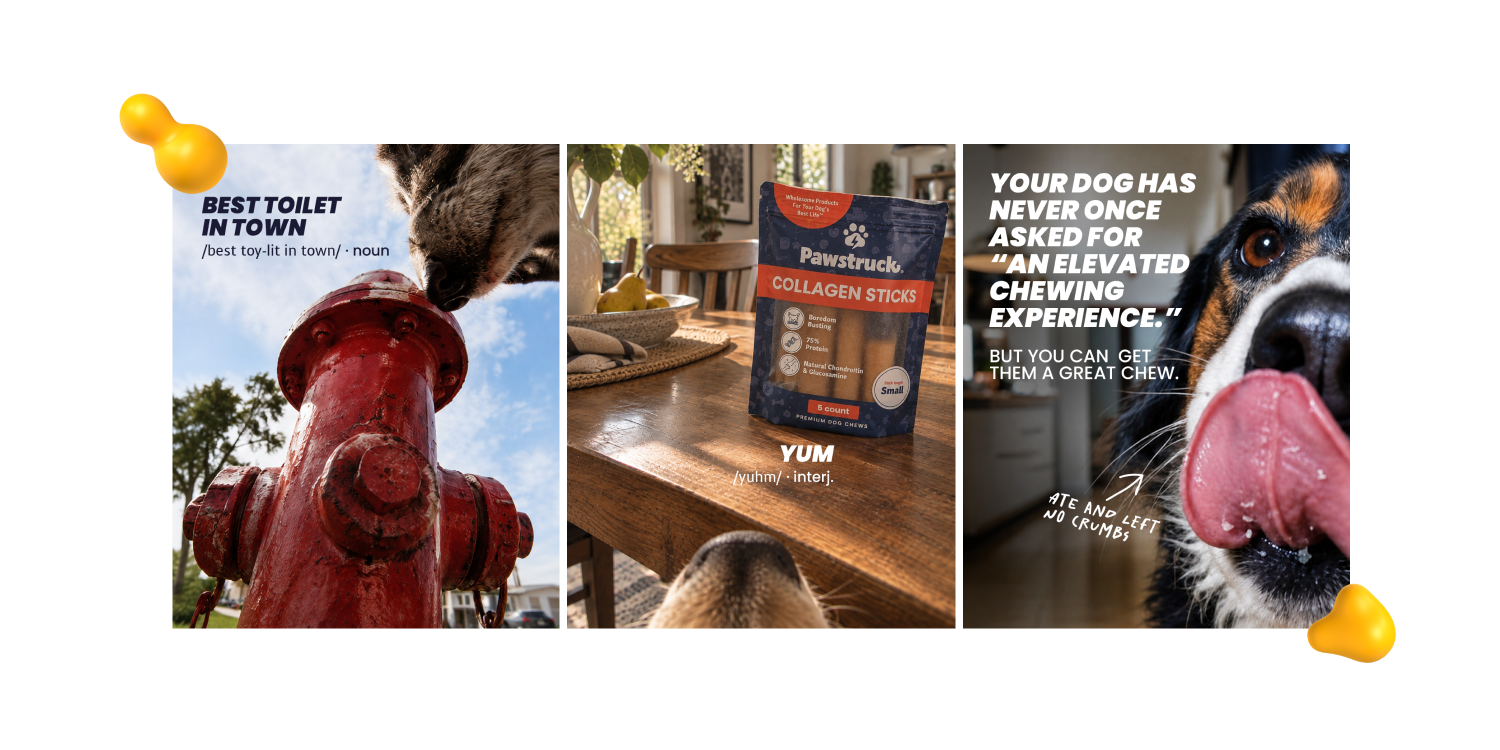
Hrista’s path to creative leadership started in graphic design and took her through advertising and art direction before Designity.
1. Tell us about your background. How did you get to where you are as a Creative Director?
I started as a graphic designer in advertising and gradually moved into art direction and then creative leadership.
I’ve worked across a pretty wide range of brands, from Coca-Cola and Carlsberg to BMW, Shell and Nestlé.
I think becoming a Creative Director was a natural progression for me because I was always as interested in the thinking behind the work and helping other creatives get to a better solution as I was in executing it myself.
2. How would you describe your creative leadership style?
Collaborative but quite hands-on.
I like giving creatives enough freedom to surprise me, while being very clear about the problem we’re solving and stepping in with direction when the work starts drifting away from it.
3. What drew you to the Designity model specifically?
The variety was a big part of it.
I came from agencies, so I liked the idea of continuing to work across different industries and taking on new challenges.
I could also build a more direct relationship with the client and bring together the right creative team for each project.
How Creative Directors Build Client Trust
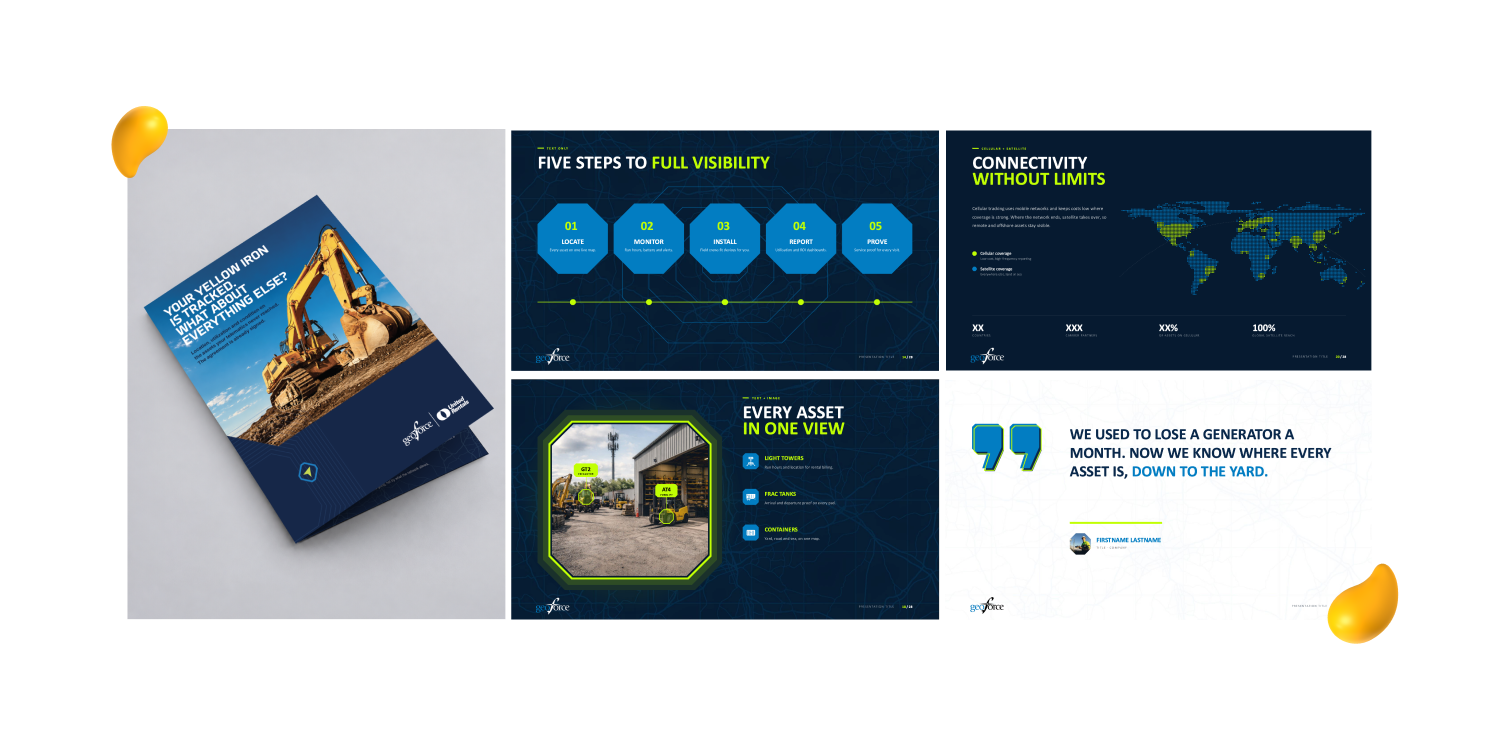
Hrista looks for clients who’ll tell her when something feels off and give her room to ask whether the brief addresses the right problem.
4. What does a great client relationship look like to you?
One where we can be very open with each other.
I want clients to tell me when something doesn’t feel right, but I also want enough trust to challenge the brief or their assumptions when I think there’s a better solution.
The best work usually happens when it feels like we’re one team rather than client versus agency.
5. How does your understanding of a brand change between month 1 and month 6?
In month one, I understand what the brand says it is. By month six, I understand how it actually behaves.
I know what the client responds to, what their audience responds to, where the boundaries really are and which ones can be pushed. That makes the work both faster and gradually more ambitious.
6. What do you wish every marketing leader knew before their first brief with a Creative Director?
That the brief shouldn’t try to give the solution. I see this quite often, especially with new clients.
The brief comes with a creative idea already in mind, but when I take a step back and dig into the actual business problem, sometimes the two don’t quite match.
Give me the problem, the context, the constraints and what success looks like, and let me help figure out the creative answer. Of course, that requires trust, and trust takes time to build.
“I’ve been working with Designity for 3 months now and for me, as Director of Special Projects, the biggest value of Designity is the relationship with our creative director. I am able to bounce off ideas with him and he can give me the guidance we need to prioritize everything that is going on. Since the creatives are interchangeable depending on the type of projects, it is a really flexible model. The design and copy work has been exceptional and the attention and focus given to keeping our branding on track has been essential to our sales progress”
The Client Relationship in Action at OpenVPN
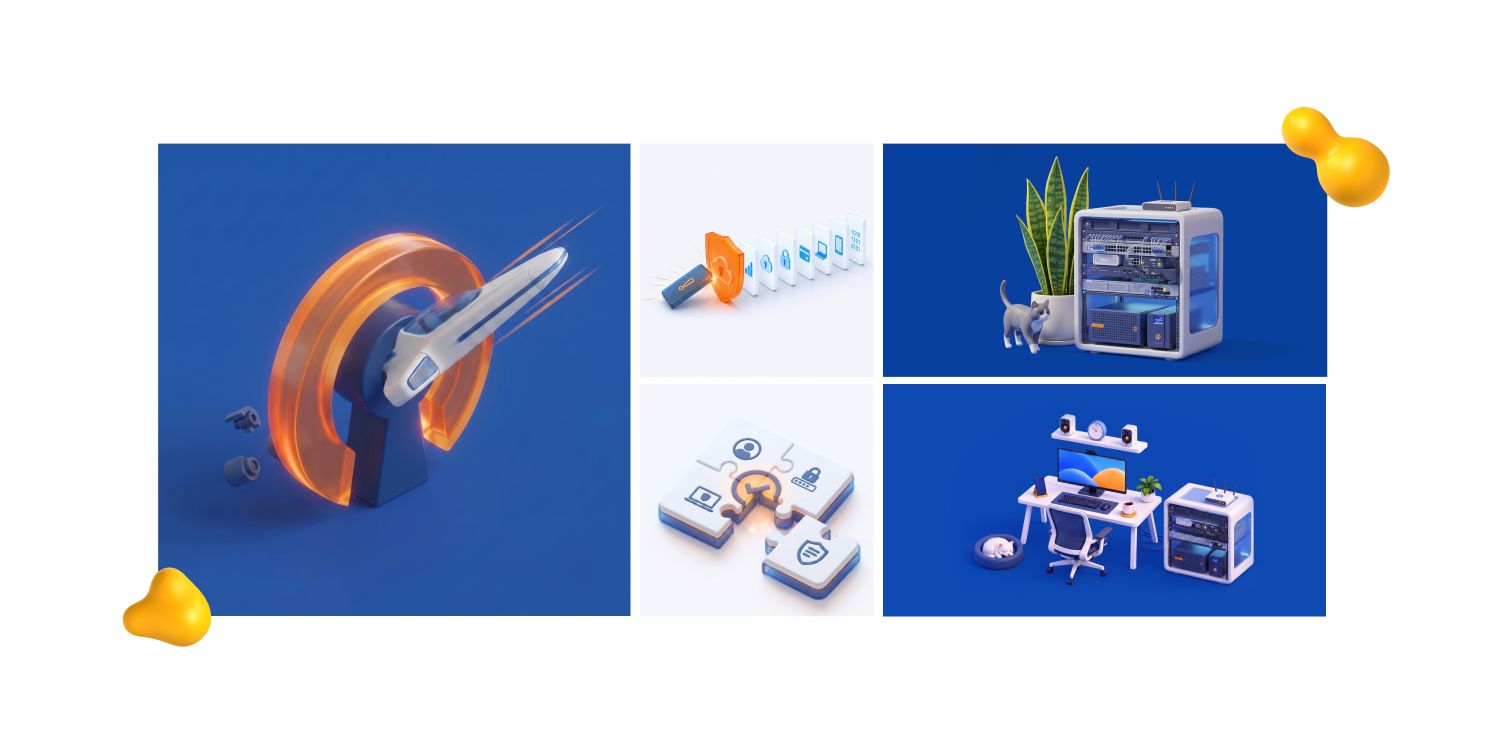
OpenVPN gave Hrista’s team two challenges to work through together with the client. The brand needed to look as modern as its product, and its visuals had to make complex services easier to understand.
7. Set the scene. What was the brief and what was the challenge going in?
The challenge OpenVPN was facing is actually an interesting paradox.
Being a pioneer in their field over 20 years ago gives them incredible credibility, but it can also create the perception that the brand is less modern than the product actually is.
So one challenge has been modernizing how they present themselves visually.
The other is something the entire category faces. Making very complex services easy to understand can be quite hard, even for a highly technical audience.
8. What was the first creative decision you made that shaped everything that followed?
We decided this should be an evolution rather than a complete reinvention.
There’s a lot of equity in the existing brand, so we’ve been building on it and gradually introducing a more polished, contemporary visual language, including a new 3D style.
9. Was there a moment where something was not working? What happened and how did you handle it?
It’s an ongoing challenge rather than one specific moment.
Sometimes we realize that we’re trying to communicate too much at once, especially with complex technical topics.
When that happens, we go back to the core message and look for a simpler way to express it, often through a visual metaphor.
10. What are you most proud of in the thinking behind the work?
Finding ways to make complex ideas feel simple without dumbing them down.
When we find one strong metaphor or visual idea that gets the point across immediately, that’s usually the work I’m most proud of.
11. What did the client say when they saw it?
They’re incredibly positive, and honestly, they’re one of those clients whose feedback genuinely makes me smile. I’ll open Miro and find comments like “this is stellar,” “perfect” or “superb.”
There’s just a really positive energy to the relationship, which makes the whole creative process really enjoyable.
But what I value most is the trust we’ve built, because it allows us to keep evolving the brand together rather than treating each project as something isolated.
What Marketing Leaders Can Expect From a Creative Partner
When the same core team carries what it learns from one brief into the next, marketing leaders can spend less time getting people up to speed.
12. What is the one thing a marketing leader should know about working with Designity that most people don’t realize until they’ve done it?
I think it’s how quickly Designity can become an extension of your own team.
You get the flexibility of having different specialists depending on what each project needs, but still have consistency because the same core team understands your brand and business over time.
13. If a marketing leader is on the fence, what would you tell them?
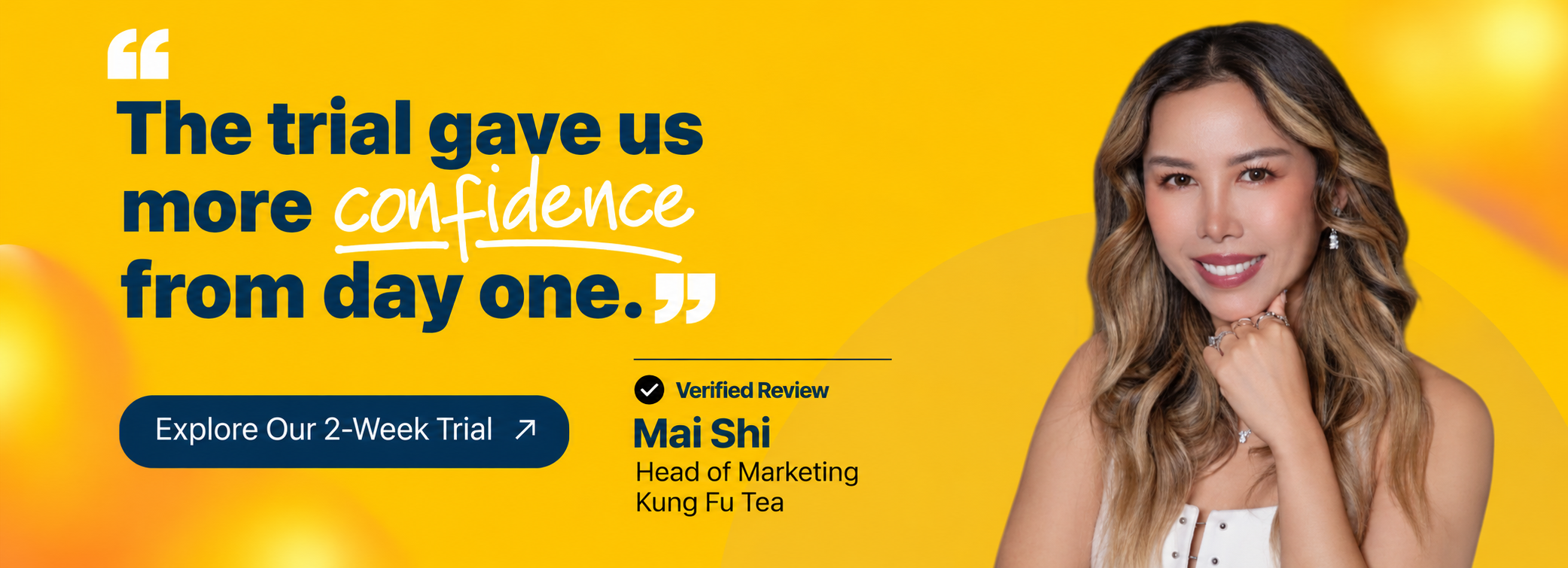
I’d say try the model! Plus, you can start with a 2-week trial.
It’s quite different from both a traditional agency and working with individual freelancers, as you get access to a really broad range of talent without having to find and manage all of those people yourself.
And once the relationship develops, you get the added benefit of a team that already knows your brand and can move much faster.
Better Creative Decisions Start with a Strong Client Relationship
As Hrista’s work with OpenVPN shows, knowing a brand well helps you see what’s worth preserving and where there’s room to push.
That understanding grows with every brief, candid conversation, and decision you make together.
At Designity, your dedicated Creative Director carries that knowledge from one project to the next, bringing in the right specialists as your priorities evolve.
Book a demo to explore Designity’s 2-week trial and see what a strong client relationship can do for your brand, starting with a real project.