






.webp)
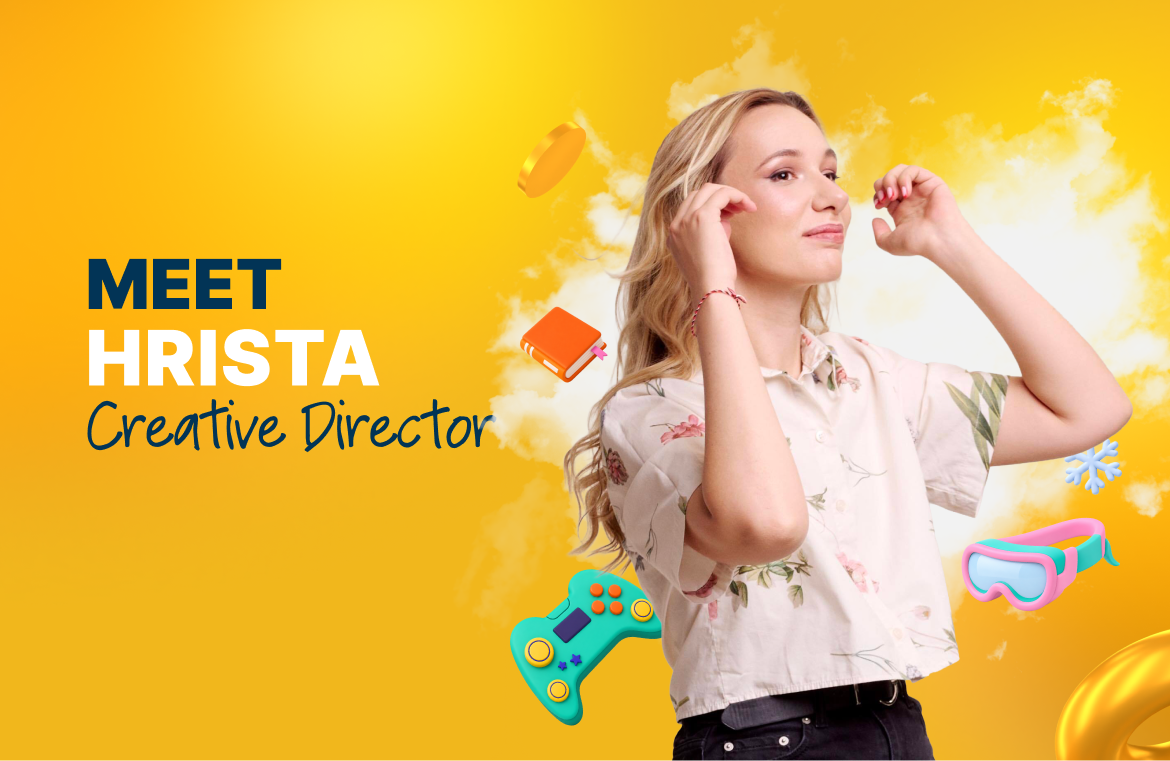
At Designity, we love spotlighting the incredible people behind our creative and marketing community, and today, it’s all about Creative Director Hrista Georgieva Tomova.
Hrista’s creative path began early, shaped by a family of artists, plein-air painting trips with her grandfather, and visits to film and advertising sets with her mother.
After studying at the National Academy of Art in Sofia, she built a versatile design foundation before moving into advertising and creative direction.
Today, Hrista brings strategic thinking, craft, and trust-led leadership to every Designity project, helping teams turn bold ideas into thoughtful, memorable work.
Let's dive in!
Creative Background & Studies
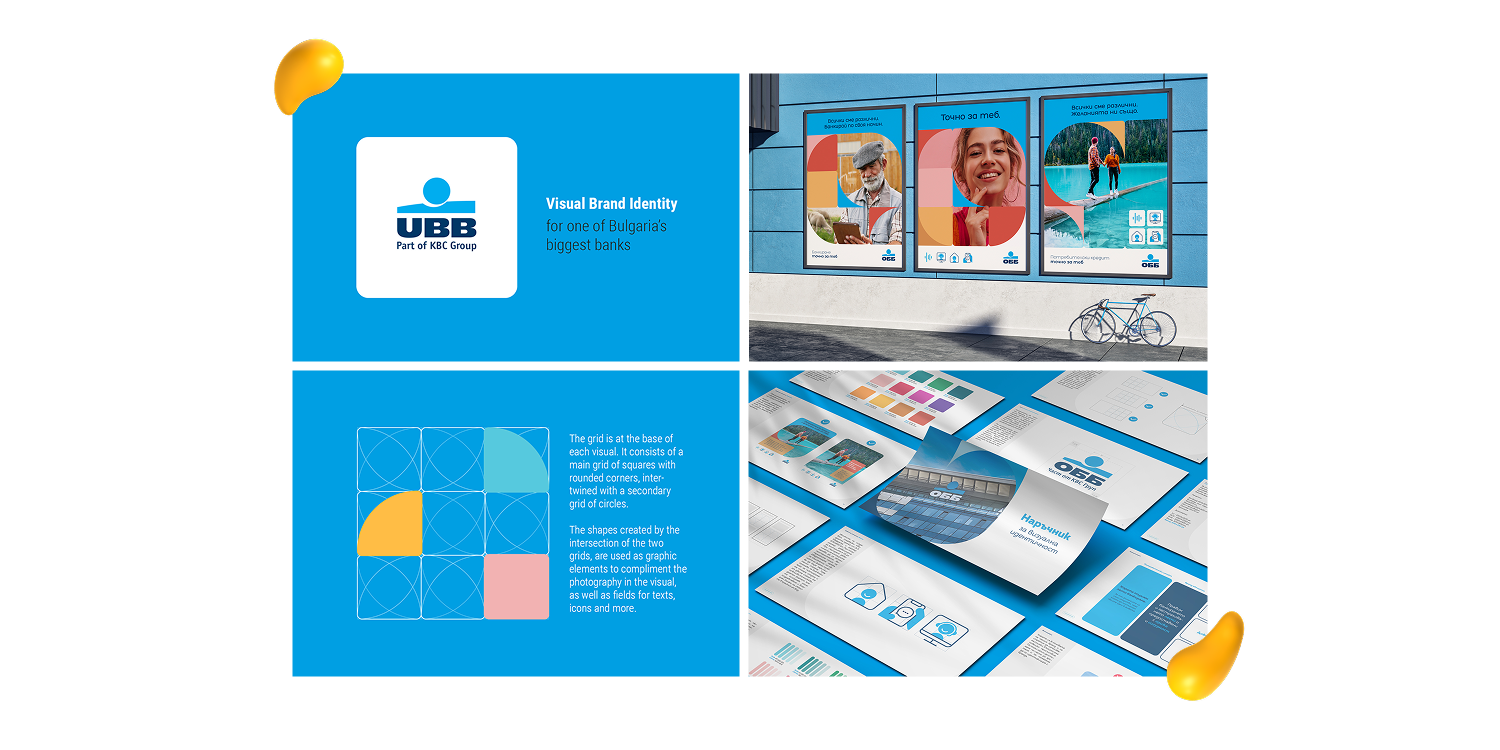
Let’s start with Hrista’s early creative influences and the studies that shaped her path:
1. What first drew you into the world of art direction and creative work?
I come from a family of artists, which sparked my interest in art and design from a very young age.
My grandfather is a traditional painter, and I remember him arranging still lifes for me and my sister to paint when we were visiting, or taking us outdoors on plein-air trips when the weather was nice to sketch landmarks around the village.
My mother, on the other hand, is a set designer, who often took me with her to film and advertising sets.
It was so exciting to see the creative process behind the scenes, and it got me dreaming of pursuing design as well.
2. What did you study, and how did it shape your path into creative direction?
I graduated from the renowned National Academy of Art in Sofia, where I studied Design of the Children’s Environment.
The program covered graphic, interior, industrial, and educational design, with a focus on creating spaces and experiences for children.
This allowed me to explore different areas of design and develop a versatile creative skill set.
Through that process, I discovered that graphic design resonated with me the most, eventually leading me to the world of advertising and creative direction.
Career & Agency Experience
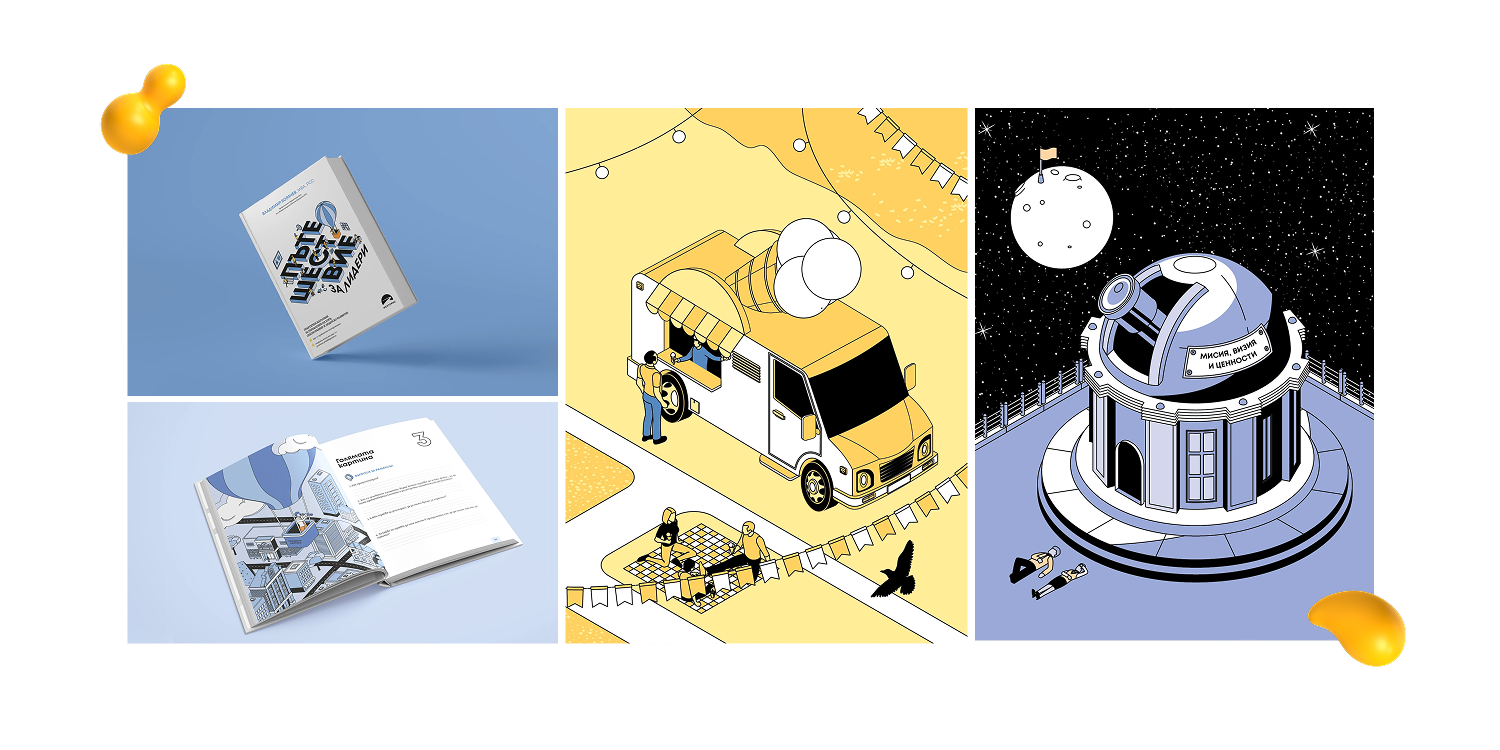
Next, let’s look at the agency experience that sharpened Hrista’s creative approach:
3. How has your agency experience shaped the way you approach creative work?
Working in an agency has helped me develop a broader perspective and stronger strategic thinking.
Now I approach work with clients’ business goals in mind, rather than focusing solely on art direction and execution.
My creative thinking has also been profoundly shaped by my agency experience, the fast-paced environment, and the opportunity to work alongside talented industry professionals.
Nothing compares to the daily creative workout that agency life provides.
4. What did your time at Wunderman Thompson Sofia teach you about big ideas and fast-moving creative teams?
Probably the most valuable lesson I learned is that big ideas don't necessarily require big budgets.
At Wunderman Thompson, I worked on large-scale campaigns for global brands and saw firsthand how complex approval processes can shape creative work.
It taught me that the challenge is not only coming up with a strong idea, but also preserving its impact through multiple rounds of feedback and stakeholder input.
Those experiences reinforced my belief that the strength of an idea lies in its ability to connect with people, not in the size of the budget behind it.
5. How did working as an Art Director at Noble influence your approach to branding and campaigns?
Noble is probably the most prestigious Bulgarian agency when it comes to art direction, and working there polished my skills tremendously.
The agency places a strong emphasis on craft and exceptional design quality, which elevated both my creative standards and my attention to detail.
It also taught me a great deal about collaborating with other Creatives and reinforced the level of quality I strive to achieve in every project.
Creative Direction & Leadership
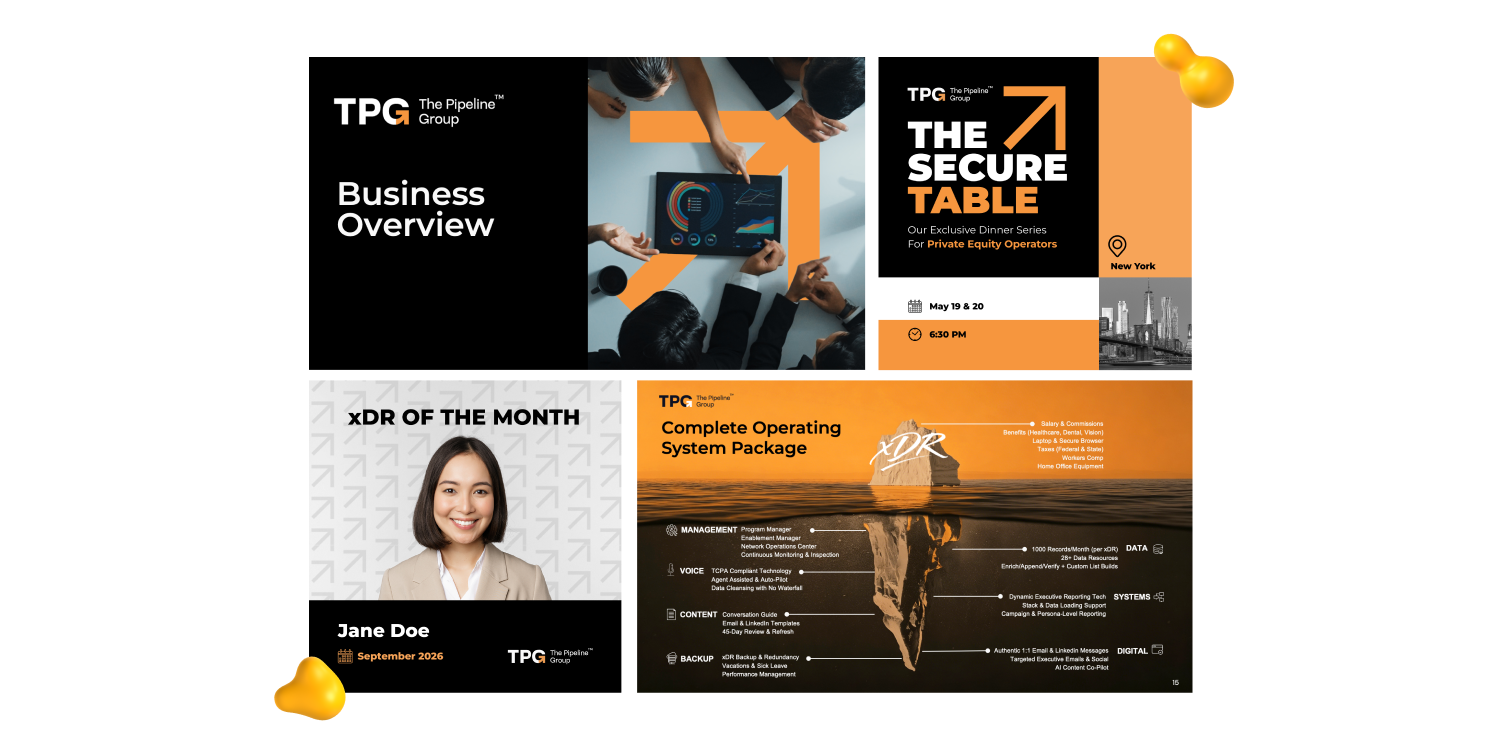
Now, let’s explore how Hrista leads teams, guides ideas, and balances bold creative with strategy.
6. How has your leadership style evolved as a Senior Creative Director?
Early in my career, I was heavily involved in the hands-on creation of the work and often focused on presenting solutions rather than the thinking behind them.
Over time, I realized that the best creative results don't come from having all the answers yourself, but from creating an environment where others can contribute their own ideas.
Today, I focus on providing strategic direction, clear objectives, and constructive feedback, while giving creatives the freedom and ownership to develop solutions of their own.
In my experience, people do their best work when they feel invested in the idea, not when they're simply executing someone else's.
7. How do you help teams push for bold ideas while keeping the work strategic?
One of the biggest misconceptions in advertising is that bold ideas and strategic thinking are somehow at odds with each other.
In reality, the strongest creative work is usually deeply rooted in strategy.
When an idea is based on a genuine insight and a clear understanding of the audience, it can be both bold and effective.
I encourage teams to push beyond the obvious solutions, but always with a clear objective in mind.
To me, boldness isn't about taking risks for the sake of it; it’s about finding the most compelling way to solve a problem while staying true to the strategy.
8. What do you think makes a creative concept truly memorable?
I believe what makes a creative concept truly memorable is a strong insight, whether it's a human truth, a cultural observation, or a compelling visual idea.
Memorable work creates a genuine connection with its audience, and that comes from understanding people and identifying something they can relate to.
When a concept lacks insight, it lacks interest, and in today's oversaturated media environment, brands simply can't afford that.
{{cd-led-team-an}}
Recognition & Creative Growth
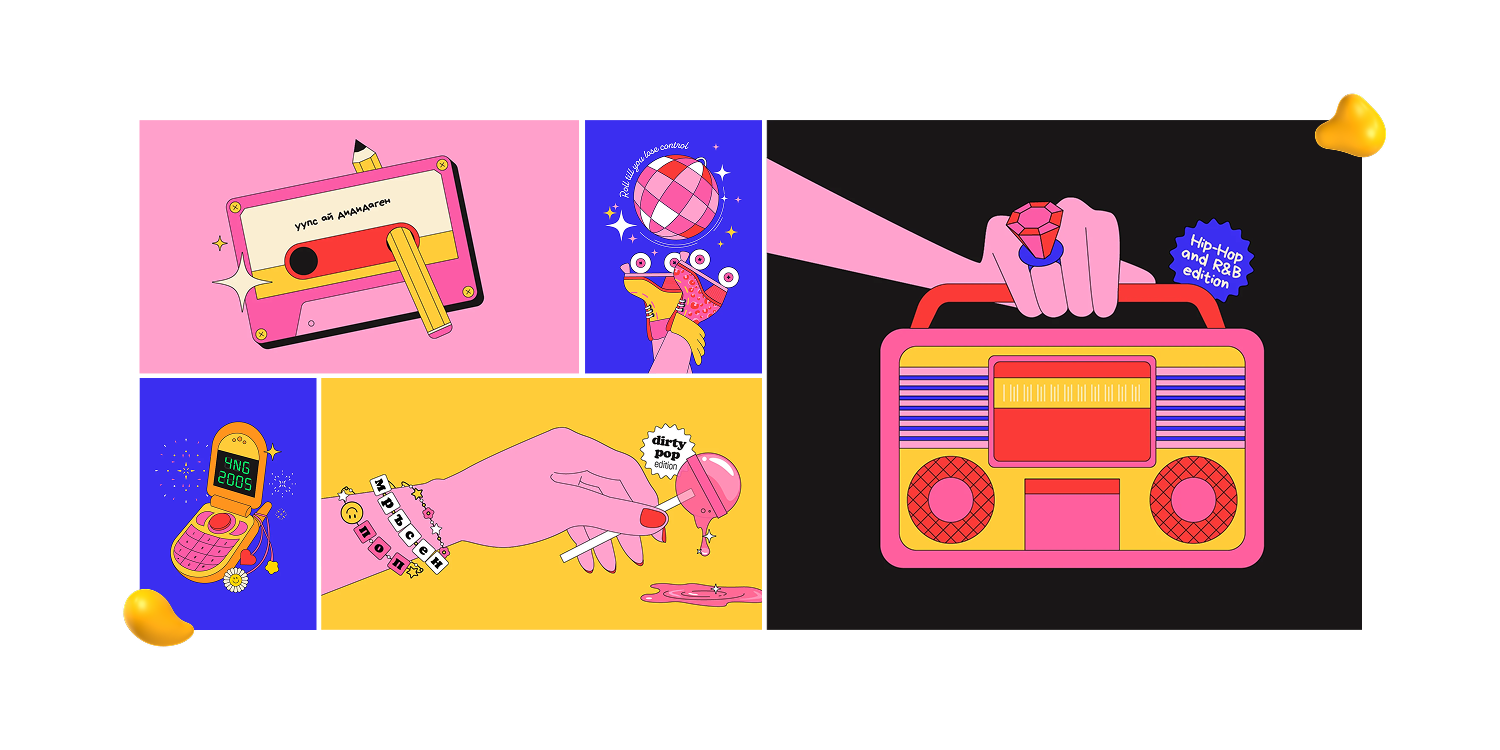
Let’s hear about the career milestones and creative lessons that continue to inspire her work:
9. What did being shortlisted for Cannes Young Lion mean to you?
Being shortlisted for Cannes Young Lions was a deeply meaningful milestone for me, especially following winning the Bulgarian Young Lions competition twice in consecutive years.
It felt like a recognition of both consistency and growth in my work.
More than the achievement itself, the experience of attending Cannes was incredibly inspiring.
I had the chance to hear from some of my creative heroes, attend live jury sessions, and witness the Titanium category judging with David Droga as jury president.
Meeting him, the most decorated creative director in Cannes Lions history, was a real highlight and a moment that stayed with me.
Overall, it was an experience that broadened my perspective and reinforced my ambition as a creative.
10. What is one creative lesson from your career that still guides you today?
One lesson that has stayed with me is the importance of trust in the creative process, both in the idea and in the people you work with.
I’ve learned that when you give an idea a clear strategic direction but don’t over-define its execution too early, it often grows into something much stronger than the original expectation.
The same applies to teams: when creatives are trusted with real ownership over their ideas, they tend to push them further and arrive at more original, thoughtful solutions.
The shift from controlling output to guiding direction has fundamentally shaped how I approach creative work today.
Designity & Global Creative Work
Next, let’s dive into what drew Hrista to Designity’s model and global creative community:
11. What drew you to Designity’s creative model?
Designity’s model stood out to me immediately as a fresh alternative to the traditional agency structure.
Having worked in agencies, I’ve seen both the strengths and the limitations of the model, particularly when it comes to flexibility and accessibility.
What I find especially compelling about Designity is that it makes high-quality creative work more accessible to smaller businesses, who are often more open to bold and experimental ideas.
From a creative perspective, that openness is incredibly rewarding.
It allows for more freedom, faster collaboration, and the opportunity to create work that feels both impactful and unconstrained by traditional agency barriers.
12. What excites you most about leading creative work for global clients at Designity?
What excites me most about leading creative work for global clients at Designity is the culturally diverse environment.
Different perspectives naturally lead to richer insights and more unexpected ideas.
I’ve always valued collaboration, and I find that teams made up of people with different backgrounds tend to challenge assumptions and broaden the creative outcome in a meaningful way.
Being part of that kind of global exchange is not only inspiring, but also a rare opportunity to grow as a creative and push the work further.
Inspiration Outside Work
Finally, let’s get to know the hobbies and creative interests that shape Hrista’s point of view.
13. How have gaming, snowboarding, reading, or European cinema shaped the way you build visual stories?
I believe it's important for creative people to have diverse interests and hobbies.
Listed like this, they may sound disconnected, but ultimately, what we're passionate about shapes us as people and serves as a source of inspiration not only in creative work but in life in general.
When it comes to visual storytelling, gaming and reading have probably had the biggest impact on my creative approach.
From an early age, I loved immersing myself in fictional worlds, whether through books or games.
I think that naturally developed my appreciation for storytelling, atmosphere, and the small details that make an experience memorable.
The stories that stay with us aren't just visually compelling; they make us feel something.
That's a principle I try to bring into every project: creating work that doesn't just communicate a message, but invites people into an experience.
14. What does film photography teach you about composition, timing, and restraint as a Creative Director?
Film photography is a hobby I picked up about a year ago.
Even though I'm still relatively new to it, it has already taught me a great deal about creativity, decision-making, letting go of staged perfection, and embracing spontaneity.
With only 36 frames on a roll, every shot requires intention. At the same time, there’s no room for endless retakes or refinement.
What you capture is what you get.
My approach to design and art direction has traditionally relied on planning, structure, and careful polishing.
Film has taught me to trust my instincts more, appreciate the beauty of imperfect moments, and recognize that constraints often lead to stronger composition, better timing, and more authentic creative work.
Could Designity Be Your Next Creative Direction?
Hrista’s story reflects what makes creative leadership at Designity so powerful:
Strong ideas, global perspective, and trust in the people behind the work.
As a Creative Director, she helps guide strategy, elevate ideas, and support creatives as they push the work further.
With Creative Project Managers handling briefs, timelines, feedback, client communication, and delivery, Creative Directors can stay focused on creative quality and direction.
It’s a model built for better collaboration, smoother workflows, and stronger results.
Ready to grow with Designity?
Join our creative community as a Creative Director or Creative today.