




Another campaign. Six channels. A launch date that refuses to move.
AI-powered creative services can help your team explore ideas, adapt assets, and keep production moving. But a folder full of options still needs someone who can choose the right direction.
That’s where the partner matters.
Who understands your audience?
Who challenges the brief?
Who makes sure the landing page, video, and ads feel like one campaign?
Here’s what these services include, why creative leadership matters, and four providers to consider when you’re ready for support.
What Are AI-Powered Creative Services?
AI-powered creative services are professional design, content, and marketing services that integrate AI into the creative workflow.
People define the strategy, direct the work, refine outputs, and approve deliverables.
Depending on the provider, that can include:
- Concept development: Explore campaign territories, moodboards, and storyboards.
- Visual production: Develop imagery, mockups, backgrounds, and product scenes.
- Content support: Create draft variations and repurpose approved material.
- Video and motion: Support editing, animation, and visual experimentation.
- Asset adaptation: Extend approved concepts across channels and formats.
A software subscription gives you tools. A managed service adds people responsible for using them well. Confirm which responsibilities are included before comparing prices.
AI can improve performance on suitable tasks. In BCG’s 2023 experiment with more than 750 consultants, GPT-4 users performed 40% better on a creative product-innovation task.
That result applies to the experiment, rather than guaranteeing campaign performance.
Why AI-Powered Creative Services Need Creative Leadership
Faster production makes direction more valuable. Someone still needs to connect the business goal, creative idea, and finished work.
1. Human Judgment Gives AI Creative Services a Clear Purpose
A Creative Director translates “we need more ads” into a useful brief: who needs persuading, what they should believe, and which idea deserves testing.
They also question attractive work that misses the point. A polished image can still misrepresent your product or tell the wrong story.
That’s why creative direction for outsourced services should be part of the buying conversation.
2. Creative Direction Keeps AI-Powered Creative Work Consistent
Consistency extends beyond matching colors. Your campaign needs a recognizable voice, visual hierarchy, and promise across every touchpoint.
A creative leader reviews the system as a whole. A project manager coordinates deadlines, dependencies, and feedback. Both roles matter, and their responsibilities should be clear.
Think about a product launch: the AI-generated scene may look impressive, but does the packaging match the real product? Does the headline promise something sales can defend? Those checks need context.
3. Creative Leadership Protects Originality in AI Creative Services
Doshi and Hauser’s 2024 Science Advances study found that AI ideas improved evaluations of individual short stories, while making the stories more similar to one another.
The study examined short fiction, but it offers a useful warning about creative sameness.
Ask your partner how they develop distinct directions, challenge familiar outputs, and bring original craft into the final work.
Audience expectations matter, too.
Canva’s 2026 State of Marketing and AI report says 87% of consumers surveyed believe the best advertising still needs a human touch. More assets alone won’t build that connection.
How to Choose an AI-Powered Creative Services Partner
Start with the gap in your team.
If creative backlogs are slowing launches, you may need production capacity. If campaigns feel disconnected, you may also need senior creative direction.
Use these questions in your next discovery call:
- Who leads strategy? Meet the person responsible for creative decisions.
- What happens after generation? Ask to see refinement, review, and approval stages.
- Can you show relevant work? Request examples with a clear brief and business context.
- How is AI governed? Confirm approved tools, confidential-data handling, usage rights, and checks for inaccurate outputs.
- How will we measure value? Track approved assets, revision cycles, delivery reliability, and campaign results.
A strategic creative partner should help sharpen the problem before producing solutions.
Ask them to explain a time they changed a brief because the original request wouldn’t serve the goal.
This perspective on strategic creative partnership is worth keeping in mind as you compare teams.
Top 4 AI-Powered Creative Services to Consider
We considered these AI-powered creative services based on:
- AI capabilities: How AI supports ideation, asset creation, and production.
- Creative leadership: Who owns strategy, brand consistency, and quality review.
- Service scope: Available specialties, team structure, and production capacity.
- Pricing: Published rates, included support, and commitment requirements.
- Reviews and ratings: Client feedback and independent platform ratings, where available.
- Best fit: The team sizes, workloads, and business needs each provider serves.
Companies are listed in no particular order.
1. Designity

Designity is a premium, AI-enabled, human-led Creative-as-a-Service (CaaS) platform.
It brings senior creative leadership, specialized talent, and managed execution together for marketing teams that need support across multiple specialties.
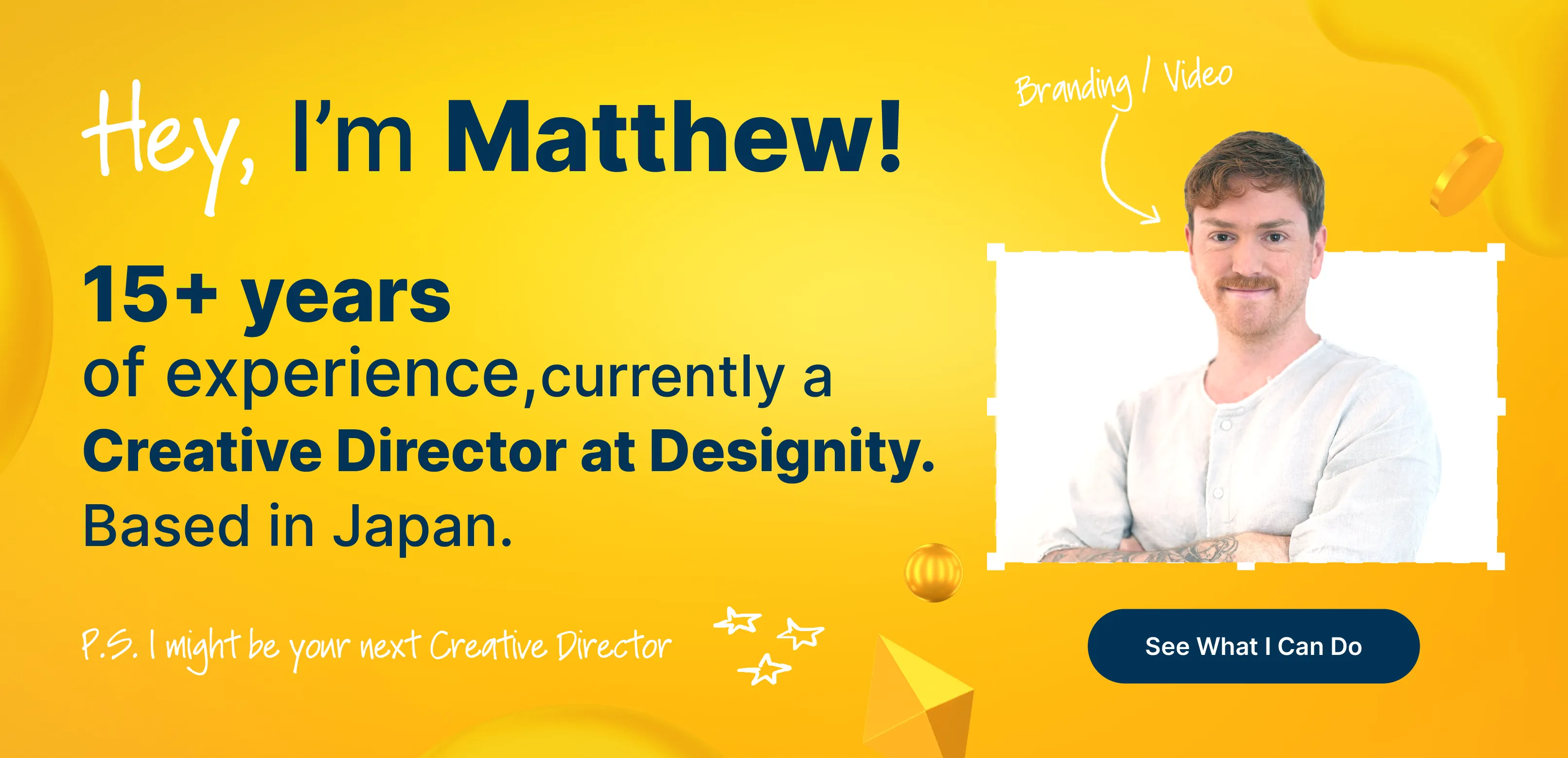
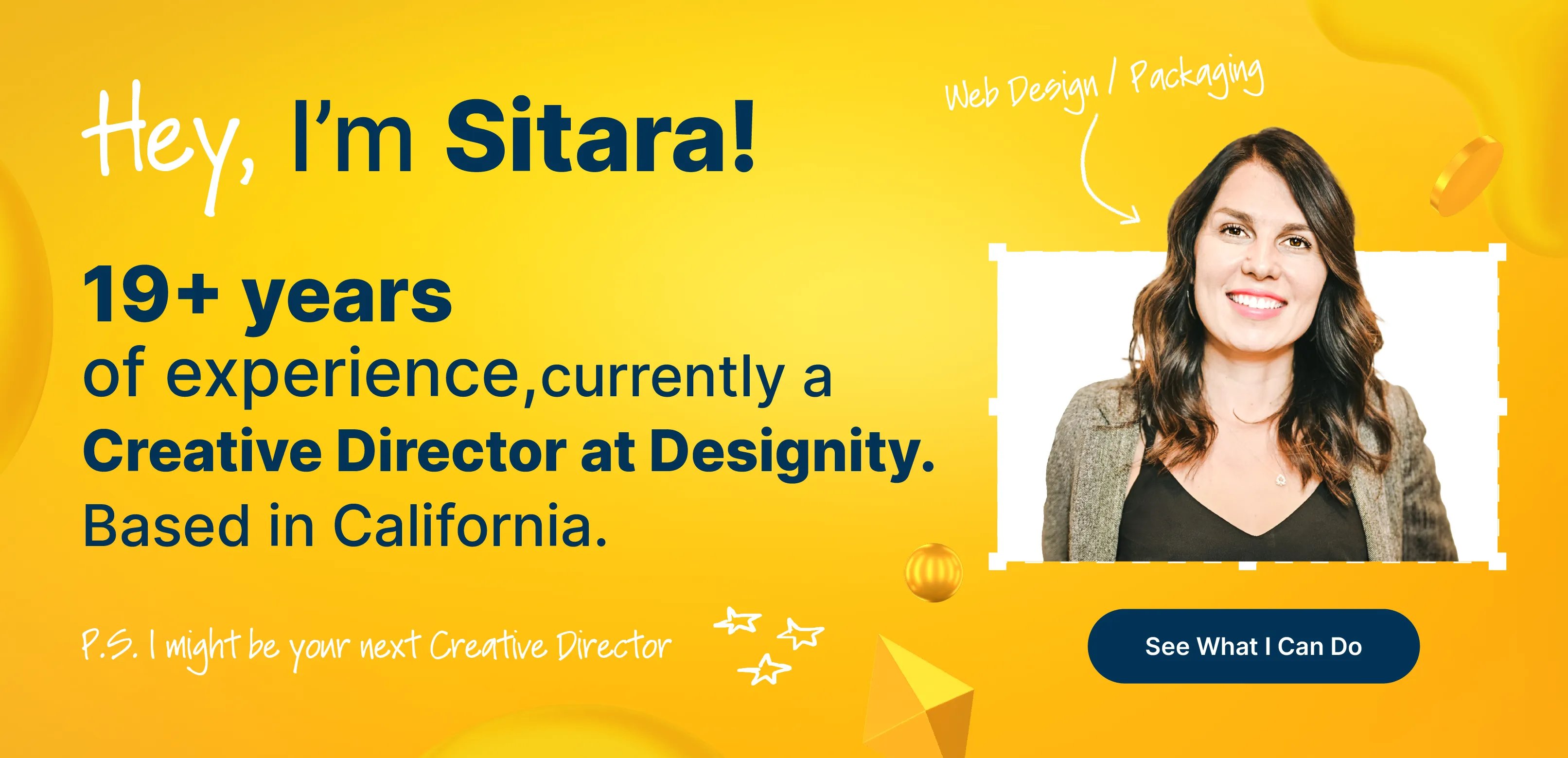
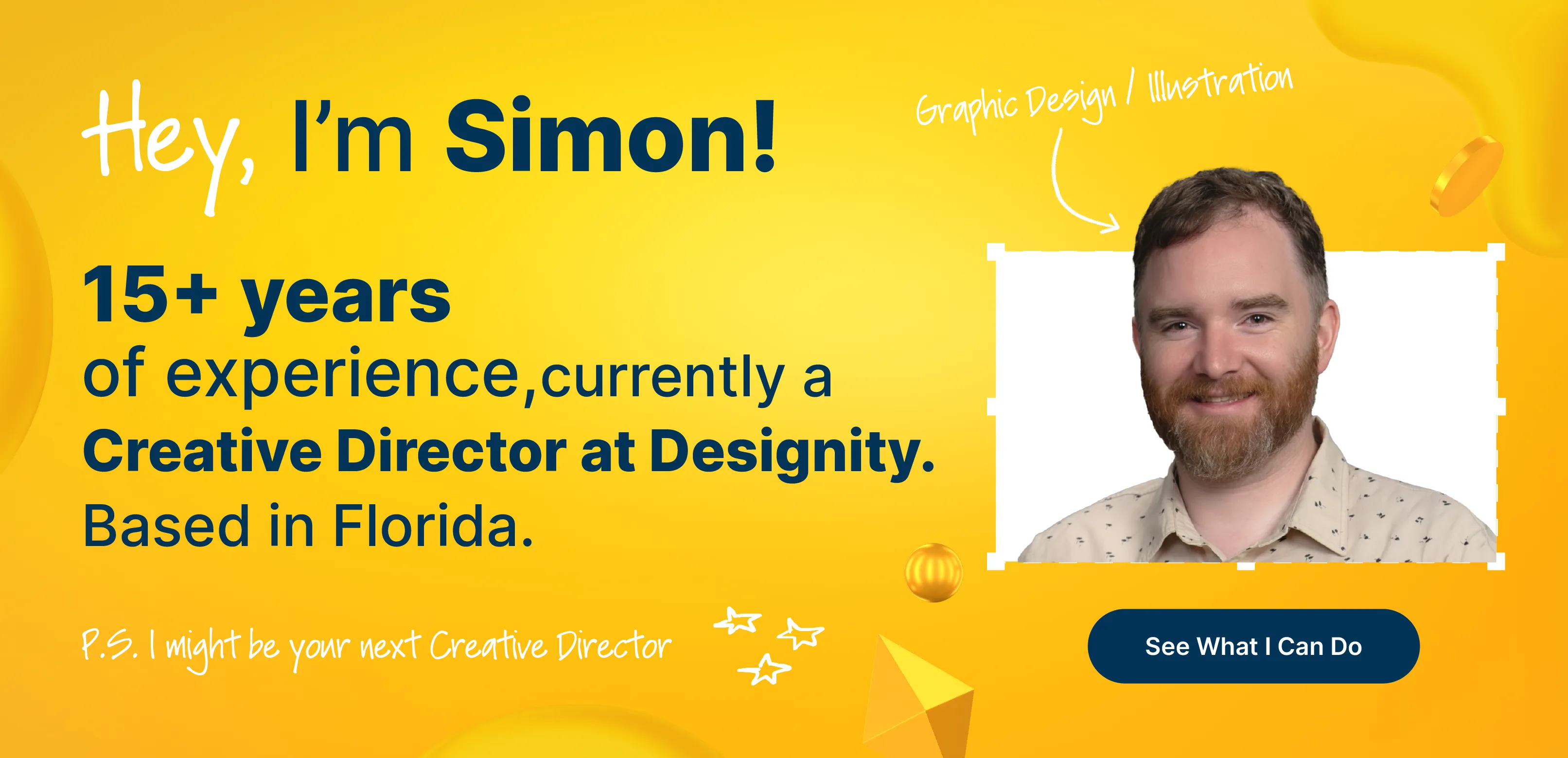
A dedicated Creative Director learns your brand, shapes creative strategy, and guides quality. A Creative Project Manager coordinates briefs, timelines, feedback, and delivery.
What You Get With Designity:
- Dedicated creative leadership: Strategic direction and quality oversight from a Creative Director.
- Top 1% of global Creatives and Marketers: Vetted specialists matched to project needs.
- Managed workflows: A CPM keeps priorities, timelines, and feedback organized.
- AI-enabled execution: AI supports workflows while people guide creative decisions.
- Flexible support: Month-to-month plans, add-ons, and Custom options.
Designity’s Key Creative Services:
- Creative and marketing strategy
- Branding and visual identity
- Graphic design and illustration
- Content and SEO
- Website design and development
- Video, motion, and campaign creative
Designity’s Pricing:
- Plus: $5,995/month for 120 hours.
- Premium: $8,995/month for 180 hours.
- Custom: From $6,000/month, with tailored capacity and support.
- Two-week trial: Work with your team on a real project with no upfront payment.
Designity’s Customer Reviews and Ratings:
- Trustpilot: 4.5/5 from 111 reviews.
Designity Is Best For:
- Mid-market and early-enterprise companies that need strategy alongside execution.
- Marketing teams seeking an extension of their in-house team.
- Brands that need consistent creative direction across multiple channels.
- Leaders consolidating specialist freelancers and production vendors.
Designity May Not Be For:
- Teams with occasional, small one-off requests.
- Early-stage businesses with limited creative budgets.
- Buyers primarily seeking low-cost production.
"After working with Designity for almost 5 months, the Designity team has helped us to accelerate the development of our visual brand story. As a VP of Marketing having a creative director who understands our brand and is a trusted partner in strategy and execution is invaluable."
{{two-week-trial}}
2. Design Force

Design Force is a managed design subscription for teams with ongoing creative production needs.
Its model combines a Project Manager, an Art Director, and a recurring design team. Clients retain strategic ownership while Design Force manages production, creative review, and delivery.
What You Get With Design Force:
- Art direction: Review for quality and brand alignment.
- Managed production: A Project Manager coordinates requests and feedback.
- Flexible capacity: Plans provide allocated design hours.
- AI-assisted workflows: Support for visual exploration, image production, and variations.
Design Force’s Key Creative Services:
- AI-generated imagery and image libraries
- Product mockups and campaign visuals
- Graphic design and presentations
- Motion graphics and animation
- Copywriting and broader design services, depending on plan
Design Force’s Pricing:
- Marketing Force: Advertised from $1,500/month for 20 hours.
- Pro Force: Advertised from $2,250/month for 30 hours, including AI-powered creative.
- Full Force: Advertised from $3,000/month for 40 hours and broader capabilities.
- Rates vary by billing option; annual plans require a 12-month commitment.
Design Force’s Customer Reviews and Ratings:
- Clutch: 4.9/5 from 20 reviews.
Design Force Is Best For:
- Marketing teams with established strategy and recurring production needs.
- In-house creative teams seeking additional design capacity.
- Brands producing campaign visuals across multiple formats.
Design Force May Not Be For:
- Teams seeking a provider to own overarching marketing strategy.
- Businesses that only need an isolated design project.
- Buyers expecting every capability in the entry-level plan.
3. Delesign
Delesign is a design subscription service that combines dedicated designers with AI-assisted production.
Its entry plan supports teams with clear briefs and recurring design requests. Higher-tier support adds an Art Director, creative planning, and multimedia capabilities.
What You Get With Delesign:
- Dedicated design support: A recurring designer who learns your brand.
- AI-assisted creative: Designer-refined visuals and production support.
- Prioritized requests: A work queue organized around your needs.
- Plan-dependent art direction: Agency Booster includes an Art Director and a monthly creative planning call.
Delesign’s Key Creative Services:
- AI-assisted visuals and image editing
- Branding and logo design
- Social media graphics and advertising assets
- Presentations and print materials
- Website design, video editing, and motion on higher-tier plans
Delesign’s Pricing:
- Marketer Growth: $899/month for a dedicated graphic designer and design management.
- Agency Booster: $1,199/month for a senior designer, Art Director, and multimedia support.
- Enterprise: Custom pricing for greater capacity and specialist teams.
- Standard plans include two hours of dedicated design time per business day.
Delesign’s Customer Reviews and Ratings:
- Trustpilot: 4.8/5 from 48 reviews.
Delesign Is Best For:
- Marketing teams with clear briefs and steady design requests.
- Agencies seeking additional production or white-label support.
- Brands that want optional art direction alongside design and multimedia.
Delesign May Not Be For:
- Teams expecting art direction in the entry-level plan.
- Businesses needing full-time production capacity on a standard subscription.
- Buyers seeking comprehensive marketing strategy without confirming its scope.
4. Linford Studio
Linford Studio combines creative thinking, art direction, and AI tools to develop campaign imagery and visual concepts.
Its approach starts with the audience, message, and brand. The team explores visual directions, then refines selected work through retouching, compositing, and design.
What You Get With Linford Studio:
- Art-directed concepts: Visual exploration guided by your brief.
- Hybrid production: AI imagery combined with photography or existing assets where appropriate.
- Human refinement: Compositing, retouching, and design before delivery.
- Project-based scoping: Agreed deliverables, review stages, pricing, and timelines.
Linford Studio’s Key Creative Services:
- Creative concepts and visual exploration
- AI-assisted campaign imagery
- Product scenes and environments
- Image compositing and retouching
- Content variations and format adaptation
Linford Studio’s Pricing:
- Custom project quotes: Based on the concept, asset count, intended usage, and refinement required.
- Pricing and schedules are established after reviewing the brief.
- No fixed starting price is published on its AI creative service page.
Linford Studio’s Customer Reviews and Ratings:
- Client testimonials appear on its website. An independent review-platform rating could not be verified during this research.
Linford Studio Is Best For:
- Brands developing a defined campaign concept.
- Marketing teams seeking distinctive product imagery or environments.
- Teams that want art direction and refinement around AI-assisted visuals.
Linford Studio May Not Be For:
- Buyers who need a published, fixed monthly subscription price.
- Teams seeking a standardized daily production allocation.
- Businesses choosing a provider primarily through independent review scores.
What Should AI-Powered Creative Services Cost?
So, what should you budget?
Based on the providers above, monthly subscriptions range from roughly $900 for focused design support to $9,000 or more for broader creative and marketing support.
Project-based work is typically quoted around the brief.
That’s a wide range because you’re buying different levels of capacity, expertise, and creative leadership.
Here’s how to make a useful comparison:
- Check what’s included. Does the price cover a designer, an Art Director, or a fully managed team? Ask about strategy, project management, revisions, AI tools, and source files.
- Compare actual capacity. A monthly subscription has limits. Find out how many hours are included, how requests are prioritized, and whether projects can run simultaneously.
- Give providers the same brief. Share one real project with clear deliverables, deadlines, and review rounds. Comparing quotes gets much easier when everyone is pricing the same work.
- Test the collaboration. Start with one creative direction and a small asset set. Does the team understand your feedback? Do changes carry across every asset, or are you repeating yourself?
- Look beyond the subscription fee. Your time counts, too. A lower price can lose its appeal if your team spends hours rewriting briefs, correcting work, or coordinating delivery.
Need a closer look at the numbers?
Our creative services outsourcing cost guide breaks down pricing across different creative models.
4 FAQs About AI-Powered Creative Services
Here are the answers to a few remaining questions you may have:
1. Can AI-Powered Creative Services Replace a Creative Director?
No. AI can generate ideas, automate tasks, and speed up production, but it can't replace human judgment.
A Creative Director connects business goals to creative decisions, guides the vision, maintains brand consistency, and ensures quality.
2. Are AI Creative Services Suitable for Brand-Sensitive Work?
Yes, with the right safeguards.
Look for a partner that follows your brand guidelines, uses approved AI tools, and provides human oversight.
Every deliverable should be reviewed for brand accuracy, quality, intellectual property risks, and data privacy.
3. What Should You Prepare for an AI Creative Services Brief?
Share your business goals, target audience, brand guidelines, key messages, deliverables, and deadlines.
Include creative references and identify who will provide feedback and approve the final work.
4. How Do You Test an AI-Powered Creative Services Partner?
Start with a real project.
Evaluate how the team interprets your brief, contributes strategic ideas, uses AI, and handles feedback. Assess creative quality, brand consistency, turnaround time, and overall collaboration.
Choose Designity for AI-Powered Creative Led by Experts
AI-powered creative services offer plenty of options. The difference is who guides the work.
Designity is an AI-enabled, human-led Creative-as-a-Service platform combining top 1% global creatives and marketers with dedicated creative leadership.
Your Creative Director connects business goals to creative decisions and reviews brand consistency and quality.
Your Creative Project Manager coordinates delivery, while AI helps streamline execution.
You get strategic direction, specialist talent, and managed collaboration through flexible month-to-month plans.
Book a demo to evaluate the work and partnership through a two-week trial with no upfront payment.