




When a creative team is working against a deadline, it’s tempting to get started as soon as the brief lands.
But if the client and the team have different ideas about what success looks like, those differences tend to surface halfway through the work.
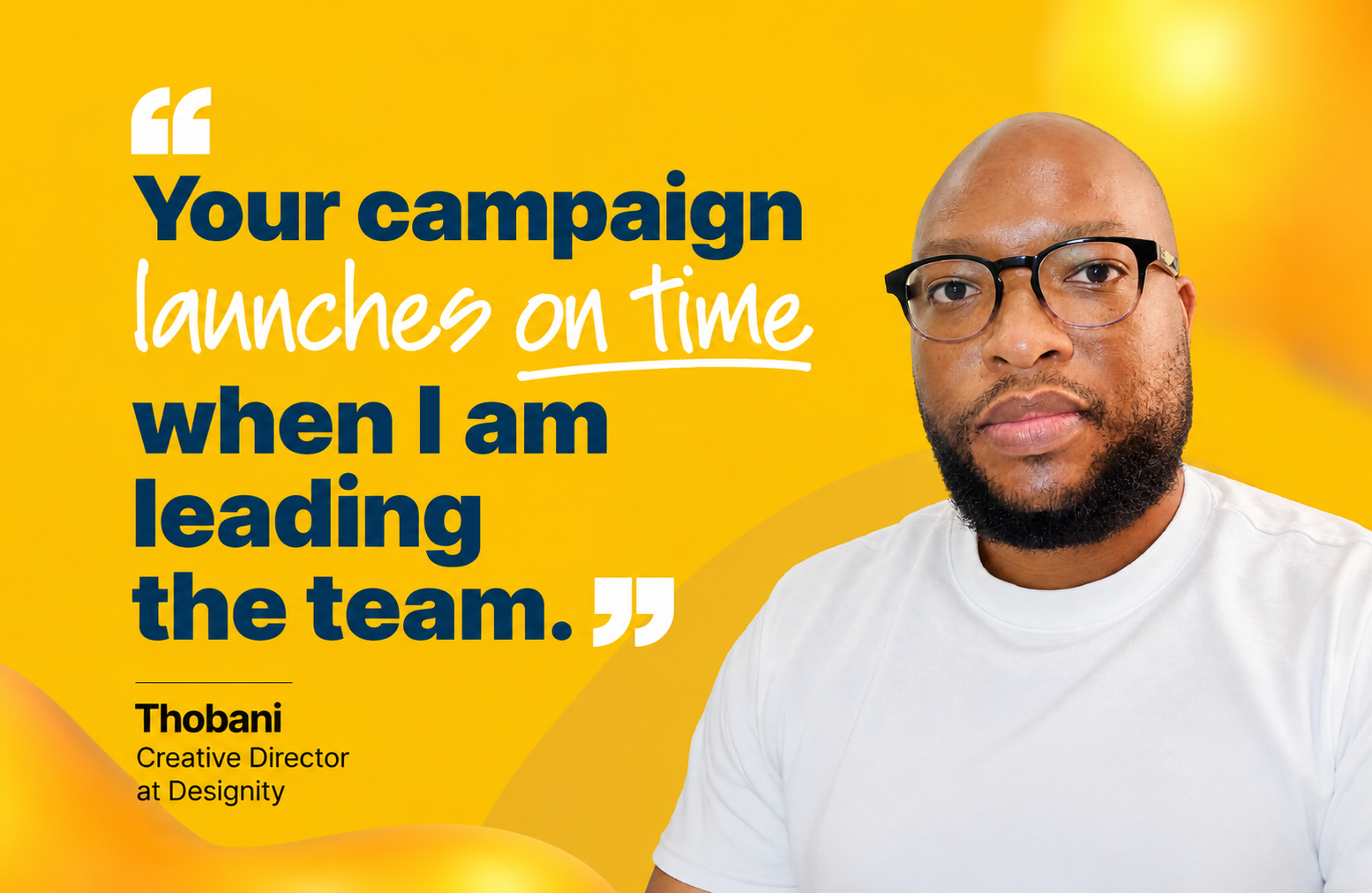
For Designity Creative Director Thobani Mlambo, the way to keep a project moving is to make a few decisions early.
What’s in scope?
Which directions are off the table?
And which deadlines are truly fixed?
We sat down with Thobani to talk about how he leads creative teams, where revision cycles start, and how his team built an email design system for DUOS around what its readers needed to know at a glance.
From Graphic Design to Creative Leadership
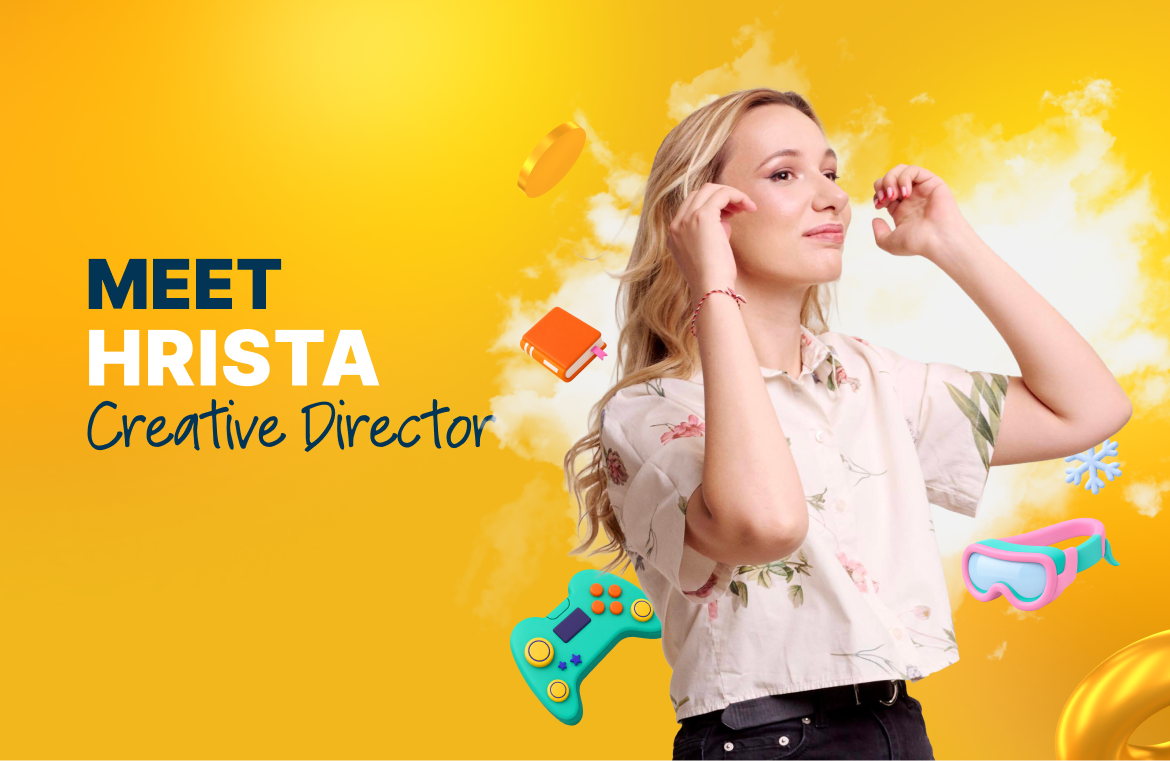
Thobani’s career spans design, strategy, copywriting, and leading digital teams. Today, his approach to creative leadership starts with giving people the support and autonomy to do their best work:
1. Tell us about your background. How did you get to where you are as a Creative Director?
I’m a Creative Director from South Africa. I’ve got 20 years under my belt in creative design, including 12 years in leadership as a Creative Director.
I started out in graphic design. At the second company I worked for, the owner was a strategist, and that’s where I learned strategy.
A couple of years later, I trained as a copywriter. For the past six or seven years, I’ve been running digital teams, working across social media, digital startups, fintech, and banking.
2. How would you describe your creative leadership style?
Creative leadership is about setting up an environment where everybody around you can do their best.
You lead from a place of support. What I like, the creative working on it might see very differently, and the client might see it differently too.
It’s about believing in the people you’re leading and trusting that they’re the right people for the job.
You also have to know when to say yes, when to let an idea go, and when to fight for it because you understand what the client needs from that project.
3. What drew you to Designity’s creative model?
Mostly, it was the chance to work with people across the globe.
I’d worked with a lot of brands across the Middle East and Africa, and I was drawn to the range of creatives I could collaborate with at Designity.
There’s a cultural exchange in getting to see how different creatives approach their work. You’re in your own environment, but you get to interact with people all over the world.
How Clear Creative Direction Reduces Rework

For Thobani, many of the conversations that prevent unnecessary revisions happen before anyone starts making the work.
4. What usually causes too many revision cycles? What changes when you get the brief right at the start?
Too much of the time, we try to move as fast as we can, even in the initial stages.
I think the best thing to do at the start is sit down, understand the scope and breadth of the brief, and write down the directions you wouldn’t want to go in.
Your no’s are important. They define the field you’re playing on. The scope is everything in between, and the no’s tell you how far you can go on either side.
When you rush through that and start the work, you can find out halfway through that the client was expecting something else.
Asking a lot of questions at the beginning helps you save time, client budget, and hours you might otherwise spend going in the wrong direction.
5. How do you move quickly and protect the quality of the work when the brief is ambitious?
One thing I learned in tech and gaming, and brought into advertising, is that there are different types of deadlines.
- Black is an immovable date, like a launch or an event the work needs to be ready for.
- Red means other people are relying on that date, like executives who are scheduled to review the work.
- Orange is the date we’d like to hit, with some flexibility.
- Yellow is a date we’ve set, with room to cover the full scope and deliver the work in the best possible way.
Moving fast is great. Understanding how flexible a client can be with a deadline helps you set the right timelines internally and give the work the time it needs.
6. What does a project look like when everything goes right, from brief to delivery?
It starts with attitude. There have been projects people thought looked boring, but once you talk to the client and show them the possibilities, they become some of your best work.
You can deliver the project within scope and show the client what that work could feed into next.
Then you have to align with the client early.
Agree on what you’re delivering, when it’s due, and what success looks like. For me, it comes down to bringing a positive attitude, aligning on the deliverables, and making sure you’ve answered the questions in the brief.
Project Spotlight: Building an Email Design System for DUOS

DUOS helps health plan members access their benefits. For an audience largely aged 60 and older, Thobani’s team took an email design challenge and asked what each message needed to help readers understand or do.
7. What was the brief, and what made it challenging?
Most of DUOS’s communications with members were email-based.
Usability was key. We had to make the emails simple, readable, and easy to understand while keeping them visually interesting.
We showed DUOS what an email design system could look like. We broke an email into its components, from headers and buttons to testimonials, images, and footers, and showed how they could come together.
Once they saw that, we got the green light to apply it to their brand.
8. What was the first decision that shaped the design system?
We looked at competitors and other companies in healthcare.
Then we mapped the use cases. We all know what a header or a primary message block is, but we wanted to understand what job each section was doing for this audience.
For example, we agreed that the header always needed a logo, a short description, and an image to introduce the message.
We broke down each section that way so we and the client agreed on what it was there to do.
9. How did color help readers tell the emails apart?
We had four types of emails: newsletters, transactional emails, re-engagement, and win-backs.
Each had a different purpose, and we wanted people to be able to tell at a glance what kind of email they’d opened.
It’s like the signals you see when you’re driving.
A green email is a newsletter or evergreen educational content. You can read it now or later in the week.
A purple email might remind you about a prescription or an upcoming ride, so it’s worth opening now.
We carried those colors into the component library. The main header and primary call to action followed the email’s main color, and a secondary color helped distinguish supporting information.
10. What was hard to get right, and what were you proud of?
The client was used to seeing all their brand colors in every email. A
fter two or three emails, we kept hearing that it felt like we were doing the same thing.
Giving each kind of email its own color answered a problem for readers: they could see what needed their attention now and what could wait.
Once we showed the categories, I think the client could see a much clearer way forward.
More generally, when the client sees a deliverable differently, I try to understand why and bring the conversation back to the original objective.
If the goal is click-throughs, why do we want those click-throughs?
What problem were we trying to solve in the first place?
Once you agree on that again, you often find you weren’t that far apart.
11. What happened after the email design system was in place?
It kept feeding into other projects. We took the thinking from the consumer emails into their B2B product offerings and how they present those offerings to prospective clients. I
t’s been the gift that’s kept on giving in terms of how we elevate the brand.
What a Dedicated Creative Director Brings to the Partnership
The value of that early alignment carries from one project to the next. Over time, the Creative Director gets to know the brand and helps shape the decisions behind the work.
12. What should marketing leaders know about working with a dedicated Creative Director?
The biggest thing is partnership. We’re there to understand your brand and align with you strategically.
That means being a partner in building the brand and the business, as well as in the creative work and rollout.
13. What would you tell a marketing leader who’s on the fence about working with Designity?
You get to work with creatives from around the world, and that gives you a wider range of thinking, experience, and ways of doing things.
People bring their own lived experiences and talents to a problem. That can open up ways of seeing your brand that a team in one region might miss.
Designity Helps Your Team Find the Right Direction Earlier
Thobani’s approach starts with a few decisions every team can make early.
Agree on what success looks like, set the boundaries for the work, and identify which deadlines are firm.
When feedback pulls the work in different directions, you have a shared goal to come back to.
Designity is an AI-enabled, human-led Creative-as-a-Service platform.
A dedicated Creative Director leads the work, a Creative Project Manager coordinates delivery, and a global team of specialists brings the direction to life.
Book a demo to see how Designity can help your team agree on a direction earlier and keep creative work moving.